

A Democratic Wave, a Republican Reckoning, and the Long Road to 2028

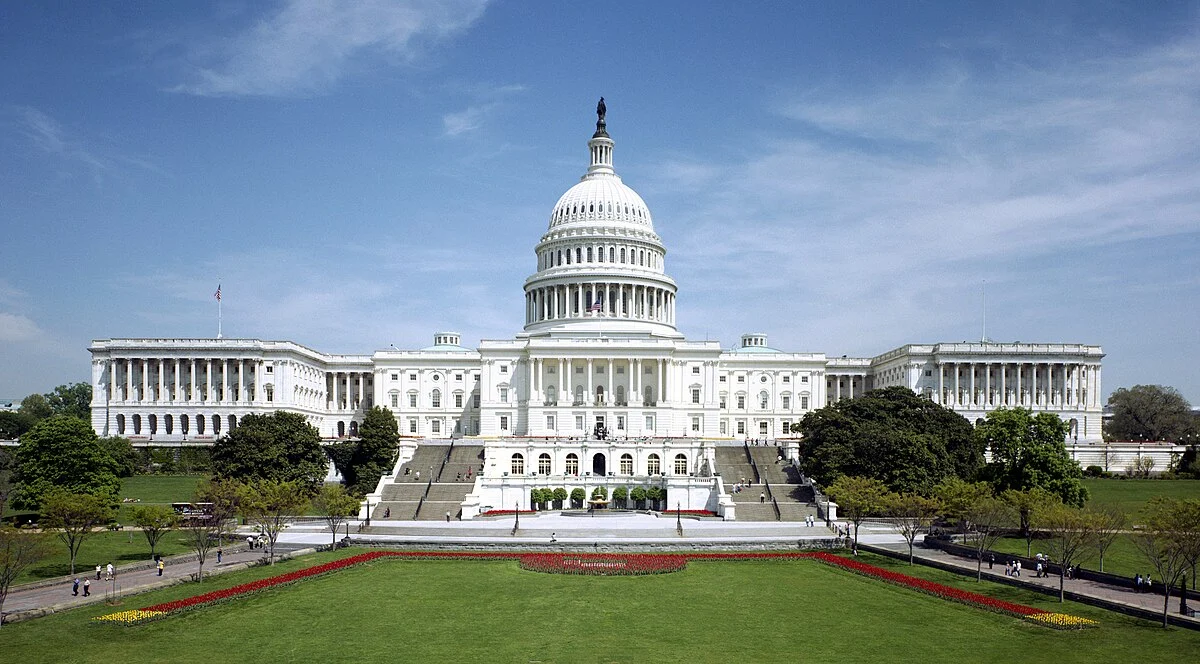
Democrats’ midterm gains give them new tools in Washington and the states. Here’s how the results could shape the 2028 race, and why history says nothing is guaranteed.
The ballots from November 3 are still being counted in some places, but the outline of the 2026 midterms is clear: Democrats made significant gains in Congress and in governor’s mansions, including in states that Republicans have long treated as safe. With the 2028 presidential election now about two years away, both parties are already reading these results as a preview.
But a strong midterm does not hand anyone the White House. Here is what changes, and what doesn’t.
Control of the agenda shifts
When the new Congress is sworn in on January 3, 2027, the majority party decides which bills reach the floor. That power matters even when a bill has no chance of becoming law.
Democrats are expected to bring forward measures on prescription drug prices, health care, and household costs, issues that polled well with voters this year. If President Trump vetoes them, Democrats still get a recorded vote showing where each Republican lawmaker stood. Those votes tend to reappear in campaign ads.
Republicans see it differently. GOP strategists argue that a Democratic Congress gives their party a clear opponent to run against, and that bills passed only to be vetoed can look like political theater to swing voters.
Oversight becomes a daily story
Congressional committees can issue subpoenas, hold hearings, and demand documents. A Democratic majority is likely to use those powers to examine the administration, the President’s business interests, and people close to him.
Supporters of this approach say it holds power accountable. Critics, including many Republicans, call it partisan harassment and warn it could backfire, as some argue it did for Republicans during their own investigations in past cycles. Either way, investigations keep the White House in the headlines, and every 2028 Republican hopeful will be asked how closely they stand with Trump.
Governors gain quiet but real influence
The governor races may matter more for 2028 than many voters realize. Governors sign or veto election laws, shape how voting is funded and run, and in many states play a role in drawing congressional maps.
New Democratic governors in traditionally Republican states will oversee the machinery of the 2028 vote in their states. Republicans still hold many governorships and state legislatures, so the map of who runs elections will remain divided.
The judiciary question
If Democrats control the Senate, they can slow or block the President’s judicial nominees. Federal courts often rule on presidential actions and, increasingly, on election disputes. That gives the Senate majority indirect influence over the legal landscape heading into 2028.
[Remove this section if Republicans keep the Senate.]
New faces for 2028
Midterms often produce a party’s next national stars. Newly elected senators and governors, particularly those who won in difficult territory, are likely to be mentioned as possible presidential or vice-presidential candidates. For Democrats, that could mean a younger and more geographically varied bench.
Republicans are also sorting out their post-Trump future, since the President cannot seek a third term. The 2028 GOP primary will likely turn on how candidates position themselves relative to him.
A wider battleground map
Democratic wins in places once considered out of reach suggest some voters were open to splitting from the GOP when Trump was not on the ballot. If that holds, the 2028 Republican nominee may have to spend time and money defending states the party usually takes for granted.
Republicans counter that midterm turnout differs sharply from presidential turnout, and that voters who sat out or switched in 2026 may return in 2028.
What history says
Midterm results are an imperfect predictor. The president’s party has lost ground in most modern midterms, yet that has not decided the next presidential race:
- 1994: Republicans took Congress; Bill Clinton won re-election in 1996.
- 2010: Democrats lost the House badly; Barack Obama won re-election in 2012.
- 2018: Republicans lost the House; Trump lost the 2020 election.
In other words, a midterm wave can signal real voter frustration, but two years is a long time in politics.
The bottom line
Democrats now have more tools: setting the agenda, running investigations, and holding more state offices. Whether that translates into 2028 success depends on whether they can show voters results, not just opposition. Republicans, meanwhile, have two years to decide what their party looks like after Trump, and to win back voters who drifted away this November.