Democrats win power but economic limits loom, analysts warn
Voters chose Democrats over concerns about rising living costs, yet party leaders have limited tools to ease those strains quickly.


Key points
- Democrats are set to win a House majority larger than any in close to four decades, according to The Guardian.
- Voters' concerns about cost of living, including gas, groceries and mortgages, drove the political shift.
- Democrats have limited ability to lower gas prices, restore health subsidies or stop immigration policy.
- A large AI investment boom and heavy debt could create further economic strain in coming years.
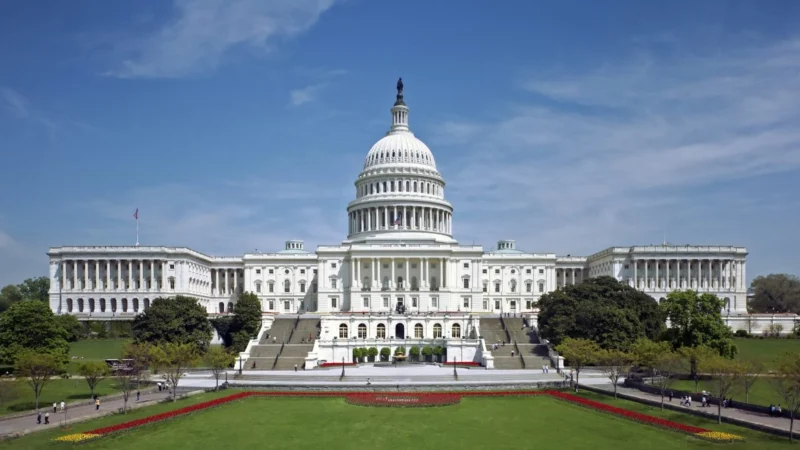
According to The Guardian, voters’ worries about the rising cost of living drove a major political shift that is likely to give Democrats their biggest swing since Watergate. The party is expected to secure a House majority larger than any in close to four decades, along with its strongest Senate position since 2008.
The outlet argues that the new Democratic lawmakers may find their room to act far narrower than their campaign promises suggested. Many of the forces behind high prices sit largely outside their control.
Read also: Trump picks Stephen Miller as White House chief of staff
Limited tools over prices and war
Gas prices were described as the strongest force behind voters’ anger. Bringing them down would depend on a negotiated arrangement with Iran that restores shipping through the Strait of Hormuz. Senate majority leader-in-waiting Chuck Schumer said Democrats could achieve this, and he stated, “We are going to end the war.” The Guardian notes that President Donald Trump may disagree.
Congress has the legal power to end wars, but the article says it is unclear what that would mean in practice. Democrats could try to cut war funding, yet they lack the 60 Senate votes needed to block a filibuster.
Trade policy faces similar obstacles. After the Supreme Court struck down Trump’s tariffs described as national security measures, the administration reimposed many of them under a different law. Democrats also have little power to halt the administration’s immigration measures, which are fully funded.
Budget constraints and health costs
Restoring federal help with health insurance premiums under the Affordable Care Act, or reversing cuts to Medicaid and food stamps made in Trump’s One Big Beautiful Bill Act, may appear simple. The Guardian reports that finding the money will be difficult, since the federal deficit already stands at 6% of the country’s economic output.
The article also warns that a president with no need to please voters may act more aggressively. Democrats can block new legislation, but they do not have the votes to override presidential vetoes.
An AI-driven economic risk
The economy is heavily shaped by a fast-growing investment boom in artificial intelligence. Goldman Sachs calculates that major AI firms have borrowed close to $200bn through bonds during 2026, nearly double the amount for all of 2025. The tech-heavy Nasdaq index has also dropped by over 10% within the past month.
Economist Justin Wolfers, of the University of Michigan, told The Guardian that unemployment and inflation are not severe enough to explain the public’s gloom. The article suggests the mood reflects a loss of confidence in economic leadership.
Looking ahead, the commentary argues that Democrats may face voter anger if economic conditions worsen over the next two years.
Frequently asked questions
Why did voters support Democrats in this election?
According to The Guardian, voters were strongly concerned about the rising cost of living, including gas, groceries, mortgages and healthcare. These worries helped produce a major political shift toward Democrats.
Can Democrats quickly lower gas prices?
The Guardian reports that lowering gas prices would depend on a deal with Iran that restores shipping through the Strait of Hormuz. Trump may disagree, and the outcome remains uncertain.
What limits do Democrats face in Congress?
Democrats lack the 60 Senate votes needed to block a filibuster and do not have enough votes to override presidential vetoes. A large budget deficit also limits their spending options.
Sources
This article was written with the help of AI from reports by the outlets listed above. See our Editorial Policy. Spotted a mistake? Tell us.