Ancient Colombian Ocean Hints at a New Model of Evolution
Researchers from McGill University and a Colombian paleontology centre describe a period when declining and emerging groups shared one ecosystem.

Key points
- Fossils from Colombia's Early Cretaceous Paja Formation show ancient lineages and newer groups coexisting.
- Researchers Hans Larsson and Dirley Cortés propose the term Biotic Inflection for this evolutionary turning point.
- Warm temperatures, high sea levels and nutrient-rich coastal waters may have supported the diversity.
- More fossil evidence is needed to show how common this pattern was in Earth's history.
Researchers from McGill University and Colombia’s Centro de Investigaciones Paleontológicas (CIP) report an unusual pattern in fossils gathered from the Paja Formation, according to ScienceDaily. The old sea preserved both Jurassic lineages that were still hanging on and Cretaceous groups that were only starting to appear. The site offers a rare window into a time of deep biological upheaval.
McGill biology professor Hans Larsson, along with PhD graduate Dirley Cortés, has introduced an idea named Biotic Inflection. The label describes a moment in evolution when aging groups on the brink of dying out share space with newer lineages that are gaining ground and branching into many forms.
Environmental conditions behind the diversity
The team believes an uncommon mix of surroundings made this shared existence possible. A hot greenhouse climate, sea levels that stood high, and nutrient-heavy waters along the coast could have sustained a broad array of sea life.
Another key element was the formation of new ocean passageways linking the eastern Pacific with the early Atlantic across what is today Colombia. Combined, these circumstances probably gave various animal groups chances to flourish in one habitat. Many of those same forces still influence life on Earth.
A fossil-rich ancient sea
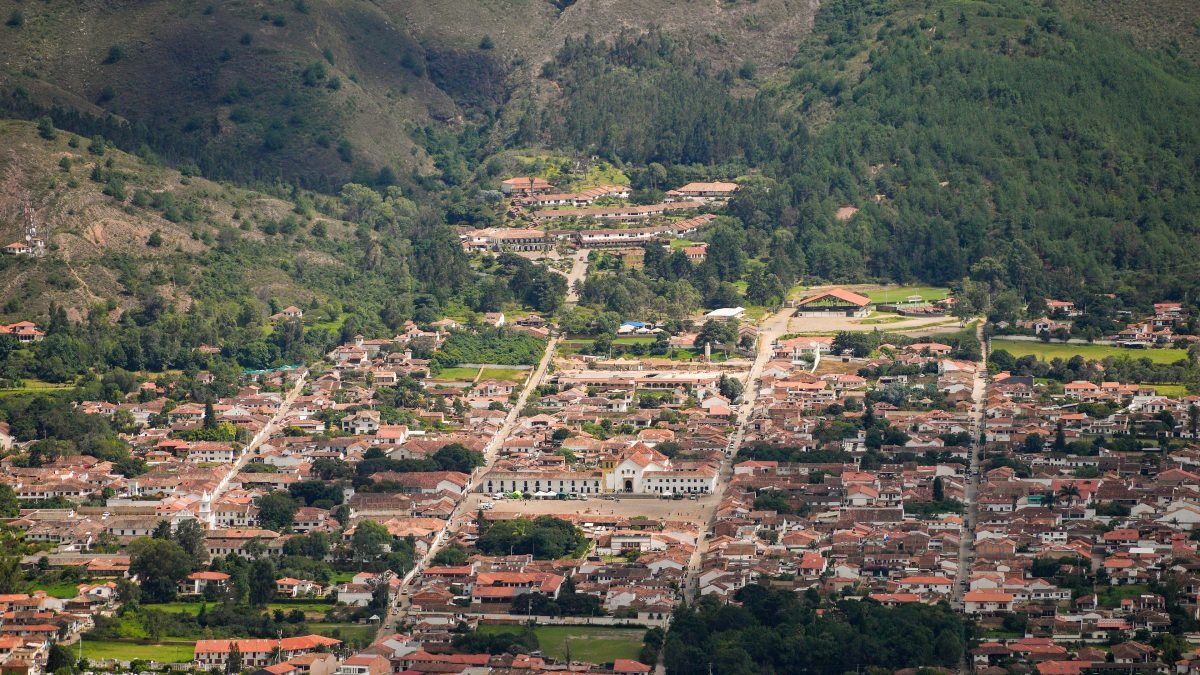
Fossils from the Early Cretaceous Paja Formation, situated close to Villa de Leyva in Colombia, supply the proof. Most specimens taken from the rock layers are held by the CIP. The deposit has produced an impressive range of prehistoric sea creatures.
Cortés described giant marine reptiles, including long-necked plesiosaurs and relatives of marine crocodiles. Turtles, sharks and crustaceans also lived there. The team refers to this group as the Paja Biota.
An earlier project mapped who ate whom within the Paja Biota. The results showed a densely connected food web, topped by a large number of apex predators. That makes the formation valuable for studying how ecosystems shift as older groups fade and newer ones settle in.
Why the findings matter
The idea implies that some evolutionary transitions might not hinge on a mass extinction. Instead, they could involve stretches of high diversity in which fading and rising groups overlap.
Larsson called it a new framework for understanding global biodiversity shifts. He noted that researchers must still establish how widespread such patterns were. More fossil finds, tighter age estimates and comparisons with rock layers elsewhere will be needed.
Support for the work came from a Canadian research council, the Smithsonian Tropical Research Institute, several foundations and a McGill biology award.
Frequently asked questions
What is the Paja Formation?
The Paja Formation is an Early Cretaceous fossil site near Villa de Leyva, Colombia. It has preserved many prehistoric marine animals, including giant reptiles, sharks and turtles.
What is a Biotic Inflection?
A Biotic Inflection is a proposed term for an evolutionary turning point. It describes older groups nearing extinction living alongside newer lineages that are beginning to diversify.
Who led the research on the Paja Formation?
The work was led by McGill biology professor Hans Larsson and PhD graduate Dirley Cortés, with the Centro de Investigaciones Paleontológicas involved. The researchers say more evidence is needed to confirm how common the pattern was.
Sources
This article was written with the help of AI from reports by the outlets listed above. See our Editorial Policy. Spotted a mistake? Tell us.