

Indonesian haze strains ties and tests Southeast Asian governments
Wildfire smoke from Indonesia has lasted for weeks and is testing relations with its neighbours. Governments face anger at home and the risk of damaged diplomacy abroad.

Key points
- Wildfire haze from Indonesia has reached Singapore and Malaysia, lasting weeks rather than days, according to BBC News.
- Malaysian consumers started a boycott of Indonesian products after a lawmaker called for sanctions on linked companies.
- Singapore is investigating 10 companies for possible links to the fires and has set up haze shelters.
- Indonesia announced a cut in gas exports to Singapore, which says the reduction is small and will have little effect.
- A joint task force has been announced by Singapore and Indonesia, while Malaysia has ruled out formal protests for now.
Smoke from wildfires on the Indonesian islands of Kalimantan, Papua and Sumatra is drifting across maritime Southeast Asia. According to BBC News, the haze has reached Singapore and Malaysia, where it has caused breathing problems and headaches for many people over recent weeks.
The smoke is not only a health problem. It is also placing pressure on the region’s governments, who must balance anger from their own citizens against the risk of harming ties with Indonesia.
Public anger grows in Malaysia and Singapore
Eugene Tan, an associate professor of law at the Singapore Management University, told the BBC that people are frustrated, upset and worried. He warned that if governments do not respond, an issue that started outside the country could become a domestic political problem.
In Malaysia, residents began boycotting Indonesian products. The move followed calls from lawmaker Syed Saddiq for sanctions on firms linked to the fires.
Singapore has also faced criticism. Analysts say some people believe the government should have acted sooner, since early warnings about a severe El Niño weather pattern had been issued.
Singapore responds and diplomacy resumes
Singapore has opened hundreds of haze shelters and is handing out masks to children, older people and other vulnerable groups. Officials also plan to tighten existing haze laws and are looking into 10 companies registered in Singapore.
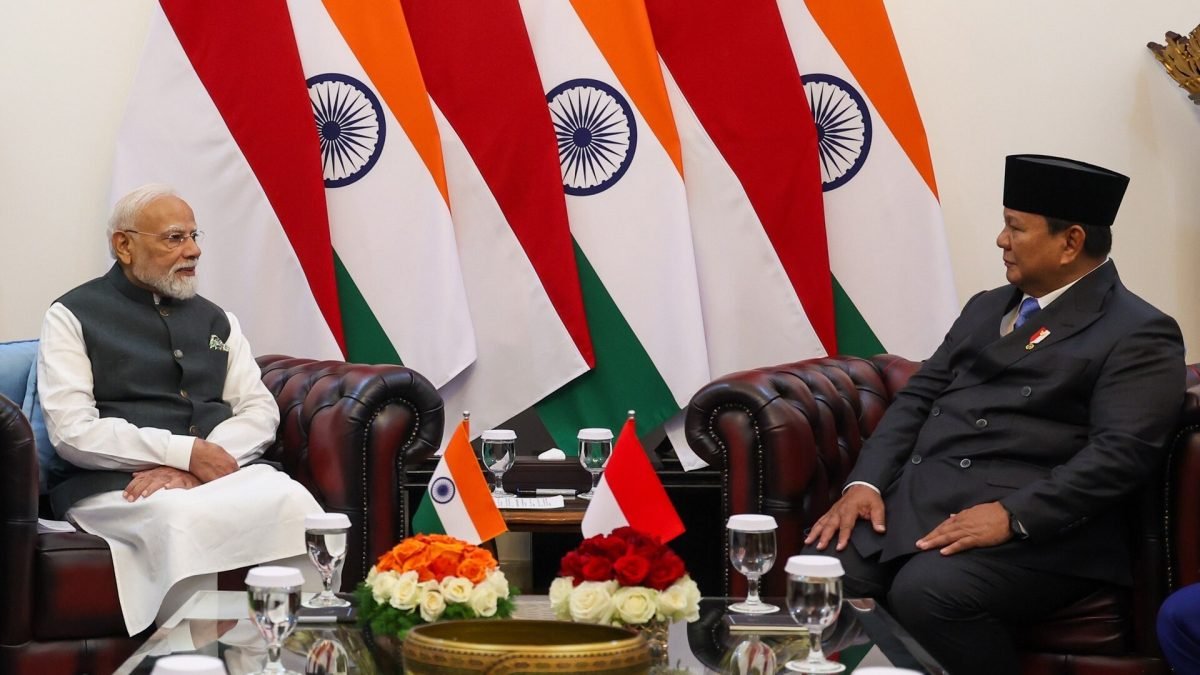
Foreign minister Vivian Balakrishnan met Indonesian President Prabowo Subianto in Jakarta last week. Balakrishnan described the talks as honest and sincere, and said they produced constructive ideas. Both countries then agreed to form a joint task force on the haze, which marks an easing of recent tensions.
The dispute was sharpened by remarks from an Indonesian official, who said the fires were beyond human control and that oxygen in neighbouring countries also comes from Indonesian forests. Singapore senior minister K Shanmugam called the comment disappointing and not correct. He said the haze was seriously harming health and was unacceptable, and that Indonesians were also suffering.
Gas export cut raises concerns
Days later, Indonesia said it would reduce gas exports to Singapore, citing its own energy needs. Some observers saw the decision as a response to Singapore’s public criticism. Indonesia has recently had power shortages in some areas.
Singapore said the cut represents less than 2% of its total daily demand and is unlikely to affect its gas supply much. Indonesia’s energy minister had earlier warned that exports could be halted for countries that did not show respect, and Prabowo later referred to countries that insult Indonesia.
Tan described the situation as a familiar pattern, linked to the old expectation that Singapore should defer to its larger neighbour. Singapore’s leaders have long tried to push back against that idea.
Malaysia takes a quieter approach
Malaysia’s response has been more restrained. Foreign minister Mohamad Hasan ruled out a formal diplomatic protest or legal action, saying such steps would signal a willingness to cut ties. Instead, a possible memorandum of understanding on improving wildfire prevention is under consideration between the two countries, and Malaysia would also depend on regional diplomatic channels.
One such mechanism is the Asean Agreement on Transboundary Haze Pollution, which took effect in 2003. Critics say it has little force because it cannot punish agricultural companies or compel governments to act. James Chin, a professor of Asian studies at the University of Tasmania, said the pact is largely ineffective once political pressure eases.
Asean members set a goal in 2016 of ending the haze by 2020. After that date passed, they moved the target to 2030.
Malaysia is also a major palm oil producer, and the crop is often tied to clearing methods blamed for fires. Ei Sun Oh, principal adviser at the Pacific Research Centre of Malaysia, said haze will keep returning while palm oil planting remains a priority. He added that Malaysia would struggle to match Singapore’s leverage, since Singapore holds the top spot among foreign investors in Indonesia and serves as an offshore finance centre for affluent Indonesians.
Frequently asked questions
What is causing the haze in Singapore and Malaysia?
According to BBC News, smoke from wildfires in Indonesiau0026#039;s Kalimantan, Papua and Sumatra regions is carried by winds to the two countries. The fires are worse this year due to a strong El Niño, which has intensified drought in forests and peatlands.
What has Singapore done about the haze?
Singapore has set up hundreds of haze shelters and is giving masks to vulnerable residents. Authorities plan to strengthen haze laws and are investigating 10 Singapore-registered companies for possible links to the fires.
Why did Indonesia cut gas exports to Singapore?
Indonesia said the reduction was needed for domestic energy supply, and it has recently faced electricity shortages in parts of the country. Singapore says the cut is less than 2% of its daily demand and should have little effect on its supply.
Sources
This article was written with the help of AI from reports by the outlets listed above. See our Editorial Policy. Spotted a mistake? Tell us.
