AI shares rebound after trillion-dollar tech sell-off
Wall Street recovered some ground after a sharp fall in technology stocks, while markets in Asia and Europe ended weaker, according to the BBC.

Key points
- Tech and AI shares fell sharply on Thursday, wiping trillions of dollars from market values.
- The Nasdaq Composite recovered part of its 5.5% fall on Friday, rising about 1.7% by lunchtime.
- Investors had feared the Democratic midterm victory could slow AI development.
- US employers added 165,000 jobs, and unemployment eased to 4.1%.
- The Kospi closed down 6% in South Korea, and the FTSE 100 fell 1.01%.
Shares in artificial intelligence and technology firms have started to recover after a steep sell-off that removed trillions of dollars from stock values, according to the BBC. The tech-heavy Nasdaq index opened higher on Friday and was about 1.7% up by lunchtime, recovering part of a 5.5% drop.
The slump began in the United States on Thursday and then spread to Asian and European markets. Those overseas markets generally ended Friday weaker than Wall Street, the BBC reported.
Read also: Nasdaq suffers worst day in 18 months on AI regulation fears
Chipmakers and major tech names show mixed moves
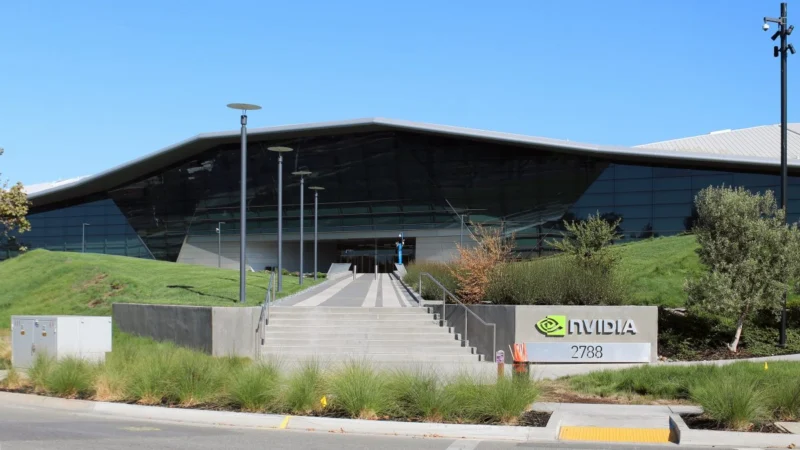
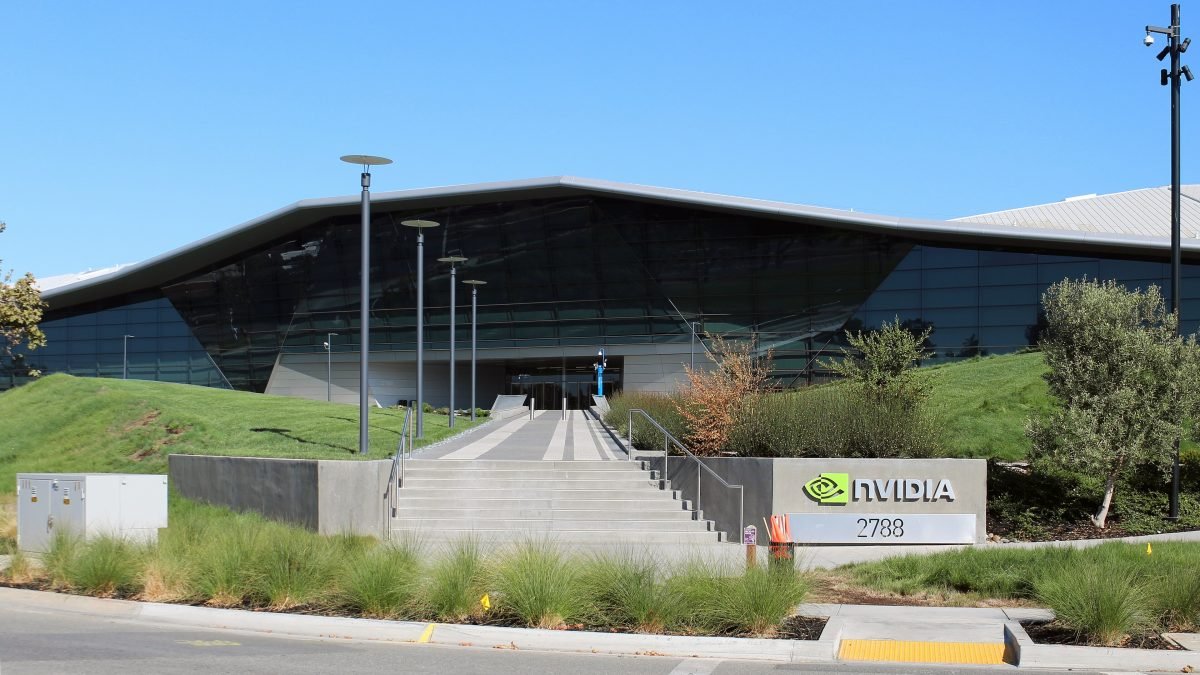
Nvidia lost hundreds of billions of dollars in value on Thursday after its shares fell more than 9%. On Friday it opened up more than 6% but settled around 4% higher. Tesla and SpaceX also rose on Friday, by nearly 5% and more than 6% respectively.
Chipmakers AMD and Micron had dropped by more than 17% on Thursday. AMD gained about 12% on Friday, while Micron rose more than 8%. In South Korea, the Kospi closed 6% lower, and shares in SK Hynix fell more than 10%.
Midterm results and concerns about AI policy
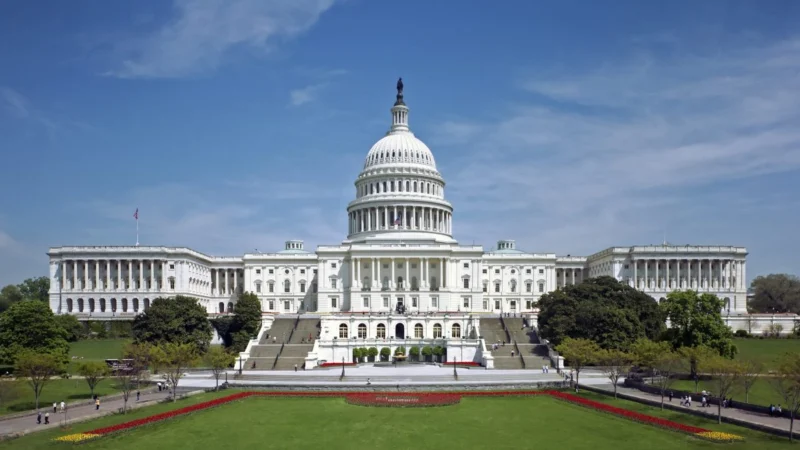
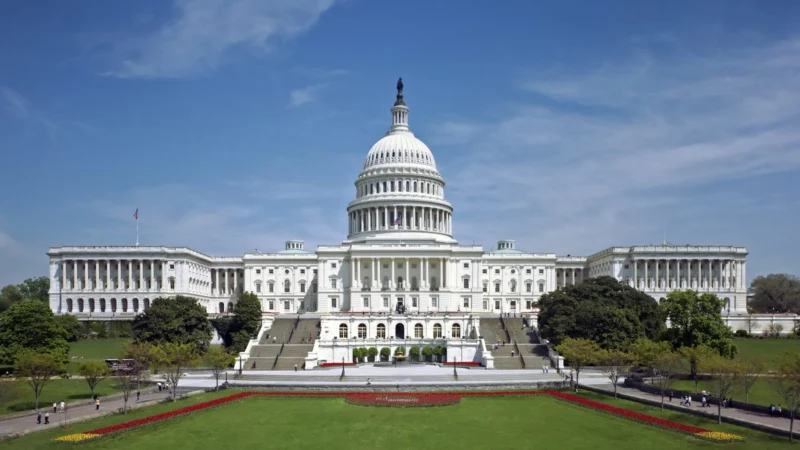
Investors had been selling tech shares partly because they feared the Democratic win in the midterm elections could slow AI development. Democrats campaigned for new rules on artificial intelligence and data centres. The party has since taken control of both houses of Congress, and it also won key races in states that host data centre projects.
US President Donald Trump said on Friday that he still backed what he called “super intelligence”. He argued that only “foolish leadership” would turn down the benefits it brings. Russ Shaw, founder of Tech London Advocates, told the BBC that the new Congress is expected to focus heavily on AI. He added that AI companies need to explain their benefits more clearly, especially in the US.
Jobs data and interest rate signals
US employers added 165,000 jobs, according to the Bureau of Labor Statistics, which was well above the usual monthly gain and more than double what analysts had expected. The unemployment rate eased to 4.1% from 4.2%. The BBC notes that some reports describe the jobs figures as covering September, while others refer to October.
In the UK, traders were also reacting to a Bank of England decision to raise interest rates. The central bank signalled that another rise could follow in order to curb rising prices. Britain’s benchmark index, the FTSE 100, slipped 1.01%. It covers the biggest businesses listed in London.
What analysts say comes next
Dan Coatsworth, head of markets at AJ Bell, described it as a brutal week for markets. He said investors had seen a “significant shift in market sentiment”. He added that the next week could show whether the tech rally is recovering or continuing to fall.
Neil Birrell, chief investment officer at Premier Miton, said the jobs figures remained important despite the market movements. He suggested that a strong US economy could mean the market risks are less of a threat to the real economy than some fear.
Related: Tech stocks slump worldwide after US midterms raise AI slowdown fears
Frequently asked questions
Why did AI and tech shares fall?
According to the BBC, investors sold tech shares partly over concerns that the Democratic midterm victory could slow artificial intelligence development. The sell-off began in the US on Thursday and spread to Asian and European markets.
How did US markets perform after the sell-off?
The Nasdaq Composite recovered about 1.7% by lunchtime on Friday, reversing part of its 5.5% fall. The Su0026amp;P 500 was around 0.9% higher, and the Dow Jones Industrial Average moved into positive territory.
What did the US jobs report show?
US employers added 165,000 jobs, well above the average monthly increase. The unemployment rate eased to 4.1% from 4.2%, according to the Bureau of Labor Statistics.
Sources
This article was written with the help of AI from reports by the outlets listed above. See our Editorial Policy. Spotted a mistake? Tell us.