Bayer’s $7.25bn Roundup cancer deal wins US court approval
The agreement covers people already ill and those who may develop non-Hodgkin lymphoma later. Payments will be spread over as many as 21 years.

Key points
- A Missouri judge approved Bayer's $7.25bn Roundup settlement on Friday, according to the BBC and The Guardian.
- The deal covers current and future non-Hodgkin lymphoma claims linked to Roundup use.
- Individual payouts are reported to range from $10,000 to $165,000.
- Bayer denies that Roundup causes cancer and says it has long considered the product safe.
- A 2026 Supreme Court ruling in Bayer's favour shaped the outcome.
A judge in Missouri has approved a settlement worth $7.25bn (about £5.5bn) that resolves lawsuits claiming Bayer’s Roundup weedkiller causes cancer. According to the BBC, Judge Timothy Boyer gave the deal final approval on Friday. The Guardian reported that he described the agreement as fair, reasonable and adequate.
Those set to receive money include people who are currently living with non-Hodgkin lymphoma after using the product. The fund also extends to individuals who may fall ill later. Bayer will pay into a fund every year for as long as 21 years, reaching a total of up to $7.25bn.
How payouts will work
Settlement amounts for participants are expected to range from $10,000 to $165,000. The size of each payment depends on how often a person used the product, when they were diagnosed and how serious their illness is. Bayer has already paid roughly $10bn in earlier Roundup litigation, the BBC added.
Some lawyers objected that the payments were too small, especially when compared with earlier settlements. Judge Boyer rejected those objections. He also said that holding up payments could leave victims, some with terminal illnesses, waiting an unclear length of time.
Background to the case
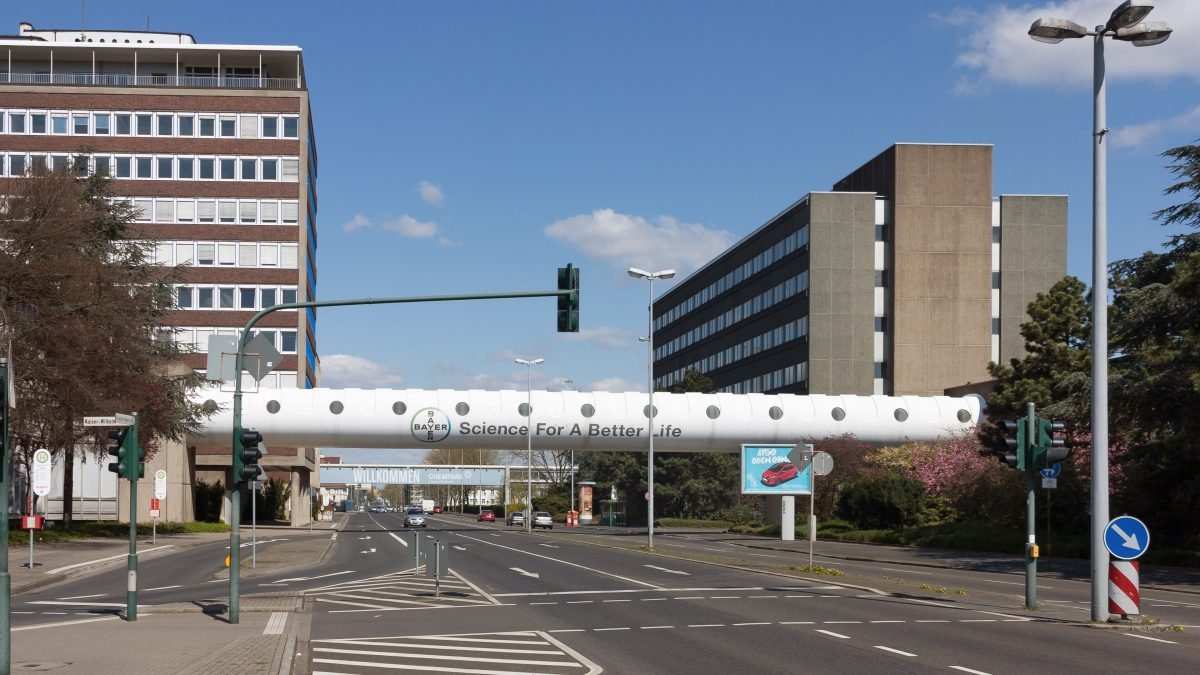
Bayer had confronted about 65,000 claims in state and federal courts across the US, according to The Guardian. Those who filed them argued their cancers followed use of the product in homes and workplaces. The company bought Monsanto, which made the weedkiller, in 2018 for $63bn. Its share price has since fallen 46%, the newspaper reported.
The approval follows a decision by the US Supreme Court earlier in the year. The court overturned a $1.25m jury award to John Durnell, a Missouri man who blamed glyphosate in Roundup for his cancer. In a 7-2 ruling, the justices said federal pesticide rules blocked certain failure-to-warn claims under state law.
Science and the company’s position
The product was created by Monsanto during the 1970s. In 2015 the International Agency for Research on Cancer, part of the World Health Organization, classed its active ingredient, glyphosate, as a probable human carcinogen. Bayer and some regulators, including the US Environmental Protection Agency, dispute that finding.
Bayer has long held that Roundup and glyphosate are safe, and that many years of studies have found no cancer link. Chief executive Bill Anderson described the court’s final approval as a key step in how the company manages both existing and future Roundup cases. The deal does not reach some federal lawsuits still in progress. Bayer has said roughly 200 of those cases remain active and that the Supreme Court ruling gives it strong defences.
Representing a large share of the claimants, attorney Christopher Seeger voiced hope that compensation would reach every affected person without delay. Lawyers for some objectors did not immediately respond to requests for comment, the Guardian said.
Frequently asked questions
How much is the Roundup settlement worth?
The settlement is worth $7.25bn, according to the BBC and The Guardian. Bayer will pay it in annual instalments over as many as 21 years.
Who can receive payments from the Roundup settlement?
Eligible people include those already living with non-Hodgkin lymphoma after using the product. The settlement also covers people who become ill in the future.
Does Bayer admit that Roundup causes cancer?
No. Bayer denies that Roundup causes cancer and says decades of studies show glyphosate is not linked to the disease.
Sources
- BBC News: Judge approves $7.25bn settlement for Roundup weedkiller cancer claims
- The Guardian: Judge approves $7.25bn Bayer payout to settle claims that Roundup causes cancer
This article was written with the help of AI from reports by the outlets listed above. See our Editorial Policy. Spotted a mistake? Tell us.