Some firms using tariff refunds for staff bonuses, ProPublica finds
An investigation says several firms are using money returned after the Supreme Court ruling for executive pay, while many consumers have not seen lower prices.


Key points
- ProPublica identified at least nine firms saying they receive tariff refunds.
- Stanley Black & Decker is projected to collect at least $298m and says part of it will fund bonuses.
- TJX parent company received $331m in refunds and is setting aside $112m for incentive pay and bonuses.
- Washington has returned a minimum of $100bn to businesses since August, roughly 60% of about $131bn collected.
Several companies that received refunds on tariffs imposed by Donald Trump are putting some of that money towards corporate bonuses rather than passing it on to consumers, according to an investigation by ProPublica. The outlet analysed securities filings and earnings calls and identified at least nine firms that said they were receiving refunds and would direct some of the money to their leadership.
Stanley Black & Decker, which makes household tools and products such as vacuums, electric drills and measuring tapes, had told its customers that higher prices were necessary because of the import fees. The tool maker is projected to collect no less than $298m as repayments on tariffs, and it signalled that a share of that sum will be paid out as bonuses, ProPublica reported. In its financial disclosures, the firm said the refund was partly offset by costs directly linked to variable incentive pay. It did not immediately respond to a request for comment.
TJX confirms bonus accruals
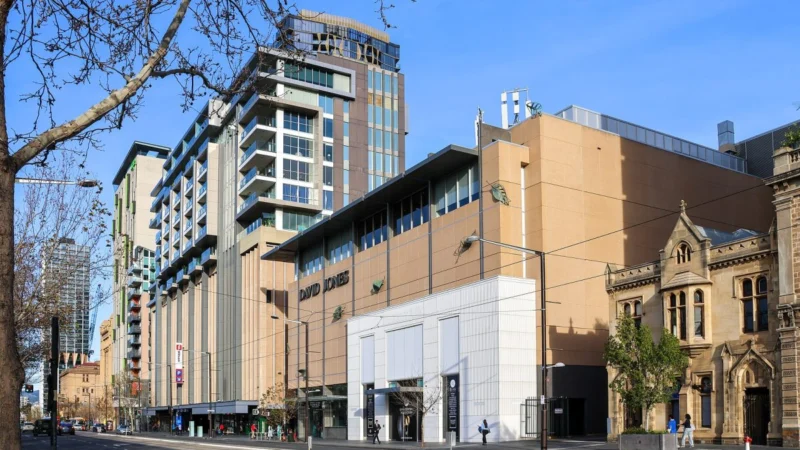
Executives at TJ Maxx and Marshalls, discount department stores owned by the same TJX parent company, made similar statements. A spokesperson confirmed the reporting and said the group received an aggregate of $331m in refunds for part of the tariffs covered by the Supreme Court ruling.
The spokesperson said the firm now plans to book $112 million in additional costs for year-end performance pay and discretionary awards for workers across the globe. The spokesperson added that, because this is an accrual and the fiscal year has not ended, the company had not released a further breakdown.
How the refunds came about
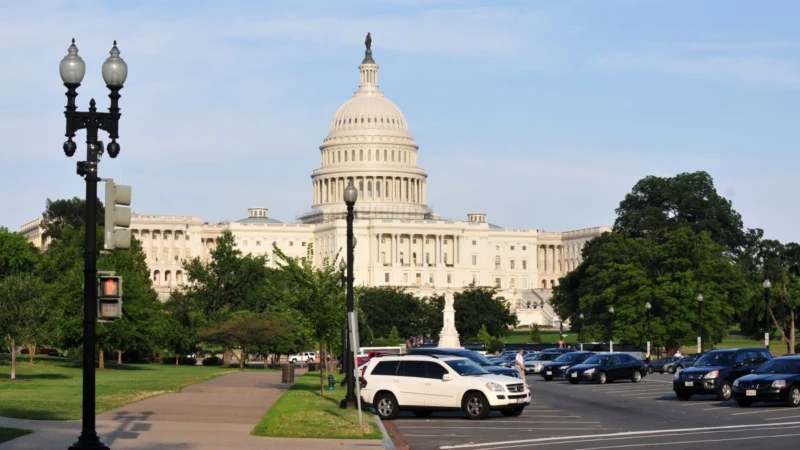
Since August, Washington has returned a minimum of $100bn to businesses, equal to about 60% of the approximately $131bn collected in duties. The repayments followed a Supreme Court ruling that the so-called liberation day tariffs were illegal. The court found that the duties exceeded Trump’s executive authority and should have needed approval from Congress.
Some firms sued the US government for refunds soon after the ruling. Trump said he would keep track of which businesses sought reimbursements and praised those that held off. According to ProPublica, the administration has not said which companies are receiving refunds, even after requests for information.
Why it matters for consumers
Many companies said publicly that they had raised prices because of tariffs, but it has been largely unclear what they are doing with refunds. ProPublica found that almost all firms that said they would use reimbursements to help customers deal directly with other businesses rather than with consumers. Some companies remain vague and have not said whether the money will lower prices or prevent future increases.
Research cited in the coverage suggests consumers have carried part of the cost. Economists at the New York Federal Reserve put the share of tariff hikes that reach shoppers’ prices at 26%. Separately, the Yale Budget Lab calculated that, under present rules, levies place a yearly burden of roughly $900 on each household. Tariffs have also been unpopular with voters. A Pew Research Center survey found that 63% of Americans had little or no confidence in Trump’s approach to tariffs, and an Associated Press survey of midterm voters found that two-thirds said his decisions had fuelled inflation.
Frequently asked questions
Which companies are reported to be using tariff refunds for bonuses?
According to ProPublica, at least nine companies said they were receiving tariff refunds and some were directing funds to leadership. Stanley Black u0026amp; Decker and the TJX parent company, which owns TJ Maxx and Marshalls, are named in the report.
How much has the US government refunded over tariffs?
Washington has returned at least $100bn to businesses since August. This is about 60% of roughly $131bn in tariffs, following a Supreme Court ruling that the tariffs were illegal.
Have consumers received lower prices because of the refunds?
The reporting says it is largely unclear what companies are doing with their refunds. Some firms have been vague and have not said whether funds will lower prices or stop future increases.
Sources
This article was written with the help of AI from reports by the outlets listed above. See our Editorial Policy. Spotted a mistake? Tell us.