Europe to send team of diplomats to next Ukraine talks
European leaders want a seat at the table as US-led negotiations on ending the war move forward, with concerns about being sidelined.

Key points
- EU and five countries will be represented at the next round of Ukraine talks, according to EU official Antonio Costa.
- The five countries are the UK, France, Germany, Italy and Poland, all members of the Coalition of the Willing.
- Europe chose a team rather than a single envoy after disagreement among leaders.
- Russia has objected to European involvement in direct negotiations.
- It was not immediately clear who would represent the EU institutions.
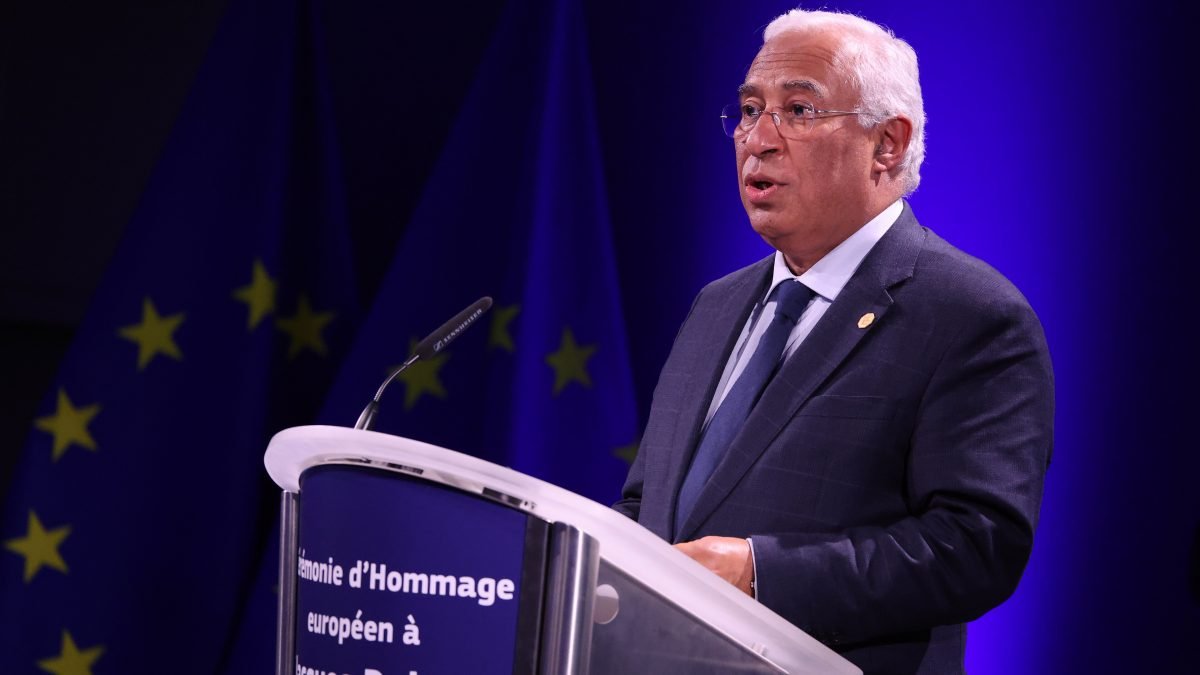
Europe will send a team of diplomats to the next round of Ukraine talks, according to European Council President Antonio Costa, as reported by France 24. The team will include officials from the 27-nation European Union and five members of the Coalition of the Willing, which supports Ukraine. Those countries are the United Kingdom, France, Germany, Italy and Poland.
The announcement follows a summit focused on how Europe can avoid being left out of negotiations led by the United States. Those talks aim to end a war that has lasted nearly five years. Costa said that Europe needed to speak with one voice, and that a team was essential for that goal.
Read also: Six dead after gunman attacks Krakow’s Main Market Square
Why Europe wanted a seat at the table
European leaders have worried that a process backed by Washington could leave them sidelined. They also fear that Kyiv could become more exposed if Moscow and Washington settle the conflict between themselves. Ukraine has sought support from its European allies and has been reluctant to leave talks entirely to a US administration that has often appeared to favour Moscow’s positions.
Russia has said it does not want European countries in direct negotiations. Moscow has pointed to European financing and supplies for Ukraine’s military. European leaders also have doubts about US President Donald Trump negotiating on their behalf, following a series of disputes over trade, Greenland, Iran and Ukraine.
Debate over who speaks for Europe
Leaders disagreed on whether Europe should be represented by one person or by a group. Russia had asked for a single representative, and the United States reportedly preferred that option too. In the end, leaders chose a team. Italian Prime Minister Giorgia Meloni had backed a single envoy, arguing that too many groupings were discussing the issue.
Europe is also difficult to define. The 27-nation EU, the 32-nation NATO alliance, the 29-nation Schengen zone and the 47-nation European Political Community each offer a different answer. Kaja Kallas, the EU’s top diplomat and a former prime minister of Estonia, said she represents Europe on foreign and security policy. It was not clear, however, who would represent the EU institutions in the talks.
Mixed expectations for the talks
US envoy Jared Kushner said after meeting Ukrainian President Volodymyr Zelensky in Dublin that Europe would take part in the next round. Kushner said the deal could not be concluded without European participation. Polish Prime Minister Donald Tusk, however, described the process as an exaggeration to call negotiations, and said a new security structure would not be built simply because leaders wished it.
German Chancellor Friedrich Merz said European leaders feared a repeat of the Alaska summit, where they were surprised by Trump’s approach to Putin without Ukrainian or European envoys present. Trump is due to travel to Beijing next week to meet Putin, adding to the uncertainty about the next steps.
Frequently asked questions
Which countries will represent Europe in the Ukraine talks?
According to Antonio Costa, the team will include officials from the EU and five Coalition of the Willing members: the UK, France, Germany, Italy and Poland.
Why did Europe send a team instead of one envoy?
Leaders disagreed on a single representative, and the team option allowed Coalition of the Willing members to take part. Russia had asked for one representative.
Why are European leaders concerned about the talks?
They fear being sidelined in a US-backed process and worry that Ukraine could be left vulnerable. They also doubt that Trump will negotiate on their behalf.
Sources
This article was written with the help of AI from reports by the outlets listed above. See our Editorial Policy. Spotted a mistake? Tell us.