Israel’s president opens coalition talks after deadlocked vote
Isaac Herzog starts talks to pick a coalition builder, while a security probe into alleged foreign funding continues.

Key points
- Israeli President Isaac Herzog has started consultations with parties after receiving official election results.
- Neither Benjamin Netanyahu's bloc nor Gadi Eisenkot's bloc won a majority in the 120-seat Knesset.
- Two Arab-led alliances won 19 seats and could play a decisive role in forming a government.
- The Shin Bet is investigating foreign interference claims, which the elections committee says would not change the outcome.
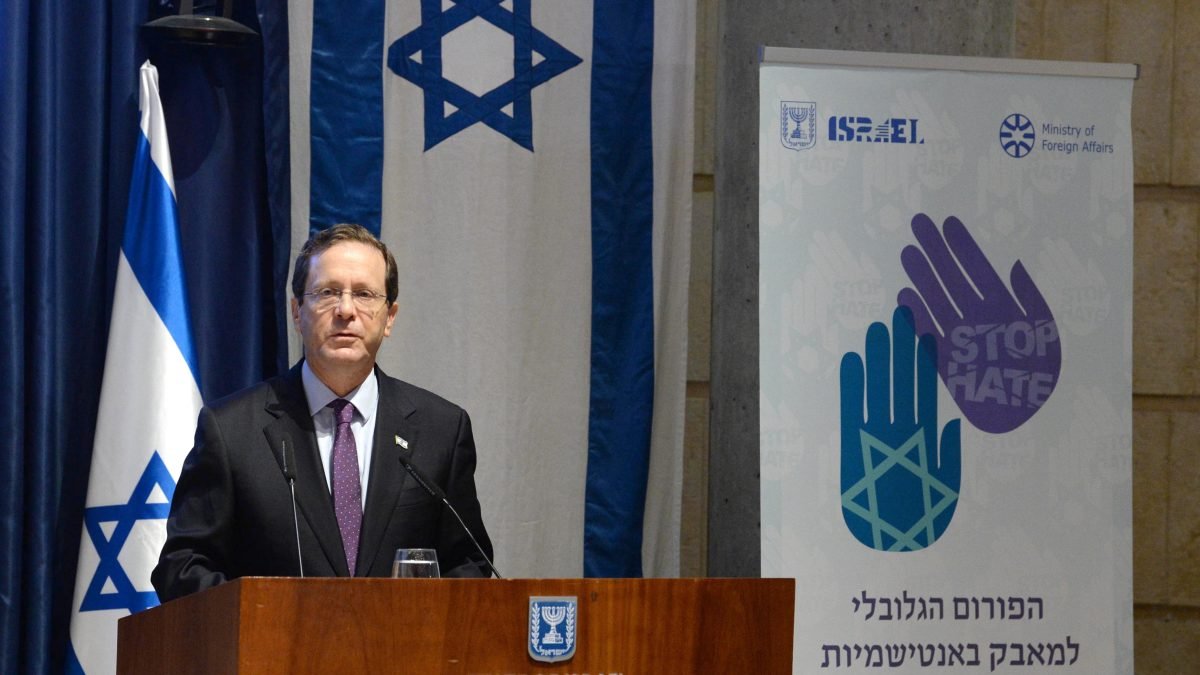
Israel’s President Isaac Herzog has opened talks with party leaders to decide who should be invited to build a new coalition. As reported by the BBC, the process began once he obtained the final tallies from the 27 October general election, which left no bloc in control.
Herzog has told the leaders that compromises will be unavoidable if the country wants to escape a fresh vote. Netanyahu’s alliance and the group headed by Gadi Eisenkot both fell short of a parliamentary majority.
Seat totals and the role of Arab-led parties
Netanyahu’s Likud, joined by its far-right and ultra-Orthodox partners, took 53 of the 120 seats in the Knesset. Eisenkot’s centrist Yashar group, along with three other Jewish opposition factions in his camp, gained 48.
Two Arab-led lists, the United Arab List and the Joint List, won 19 seats together. That is a record figure, reached after a much larger number of Arab citizens cast ballots. Because of that total, the two lists could hold the balance, yet nearly all Jewish parties had promised before voting that they would not join with them.
How the president picks a coalition builder
The presidency is largely a ceremonial post, but once votes are counted it carries the task of asking a Knesset member to attempt to assemble a government. The nominee receives 28 days to do so, and may request an extra 14.
Herzog holds broad latitude in this choice. He is not required to select the head of the biggest party, and may pick whichever figure he judges most likely to assemble a workable majority.
Disputed claims and investigations
Justice Noam Sohlberg, chair of the Central Elections Committee, handed over the official results in Jerusalem on Wednesday. He warned that recent attempts to question the tally posed a serious threat, and he stressed that a peaceful handover of authority is a basic pillar of democracy.
Officials found no sign of irregularities. They also said that claims from Netanyahu’s camp that Arab-led parties had taken the election were unproven and did not warrant holding up certification.
Israel’s Shin Bet agency is looking into claims of outside meddling. Sohlberg said its findings pointed to a broad pattern of large sums flowing into Israel from foreign governments, some of them unfriendly, though more work is needed to gauge its size. The committee’s head has said these claims would not change the outcome in any basic way. Qatar’s foreign ministry strongly rejected a suggestion that it had financed a push to lift turnout in Arab communities.
National Security Minister Itamar Ben-Gvir urged the agency to detain and question every Arab party leader until the suspicions were cleared. Joint List chairman Yousef Jabareen accused him and the prime minister of trying to take the vote away from the public.
Eisenkot said on Tuesday that Netanyahu and Likud were pursuing a serious attack on democracy and the rule of law. Attorney-General Gali Baharav-Miara turned down a reported request from Shin Bet chief David Zini to question four Arab politicians. She said no proof of misconduct had been put forward. Likud responded that she was obstructing a probe into what it called manipulation by foreign actors.
Why it matters
Herzog said Arab Israelis, roughly one in five of the population, must not be defamed. He condemned recent rude and racist language aimed at them, saying such words have no place toward any community in Israel.
Attention now turns to whether a government can be formed within the allowed time without another election. The outcome will shape how the country handles its deep political divisions and the foreign interference inquiry.
Frequently asked questions
Why has Israelu0026#039;s president started consultations?
Isaac Herzog began talks with parties after the 27 October election produced no clear winner. He must choose a Knesset member to try to form a government.
How long does a nominee have to form a government?
The chosen Knesset member has 28 days to try to form a government. A possible 14-day extension is available.
What is the Shin Bet investigating?
The Shin Bet is investigating allegations of foreign interference in the election. The elections committee said the claims would not fundamentally change the outcome.
Sources
This article was written with the help of AI from reports by the outlets listed above. See our Editorial Policy. Spotted a mistake? Tell us.