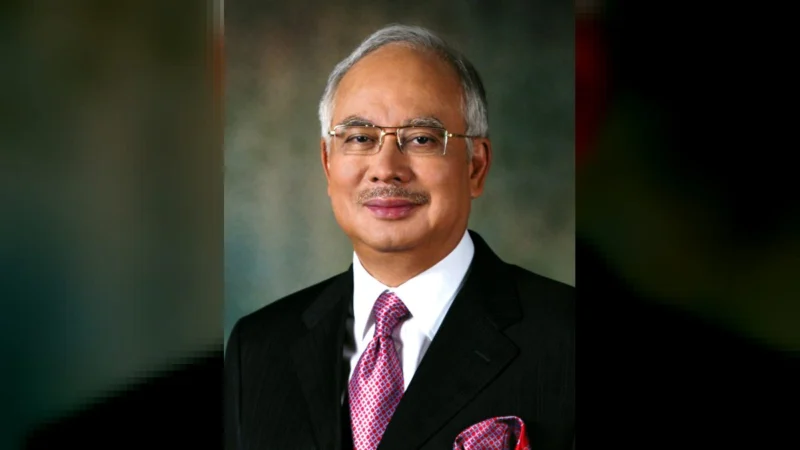
Malaysian legal chief pauses ex-PM Najib’s house arrest
The palace says the king's pardon must be respected, while the attorney-general seeks court clarification on how Najib's sentences apply.


Key points
- Malaysia's attorney-general paused Najib Razak's transfer to house arrest and asked the courts for clarification
- The royal palace publicly criticised the delay, saying the king's pardon was unambiguous and had to be honoured
- Najib left prison briefly after his party paid a RM50 million fine, then was returned hours later
- The pardon covers only his reduced six-year term, not a separate 15-year sentence he is appealing
Malaysia’s attorney-general has explained why he asked the courts for clarity before a royal decision on former prime minister Najib Razak could take effect. According to CNA, he dismissed claims that his step amounted to treason, even as the royal palace pressed for the order to be carried out without delay.
The move came on Friday, when the attorney-general halted the shift of Najib from his prison cell to a home-based detention arrangement. Earlier that day, Najib had walked out of prison after his political party covered a fine of RM50 million (US$12.3 million). Within hours, he was taken back behind bars after the attorney-general stepped in.
Palace presses for immediate compliance
On Saturday, the palace made its position public in a sharp message. It said the monarch’s pardon power, which made the home-based arrangement possible, was unambiguous and had to be honoured. In the palace’s view, every requirement had already been satisfied. It cautioned that any effort to contest the decision would be seen as defiance of the monarch’s command.
The attorney-general’s office responded the same day. It stressed that it neither disputed nor ignored the royal pardon. In a statement, it argued that turning to the courts for certainty was a sensible move that protected the proper administration of justice. It called claims of insult and treason against the king groundless.
What the courts need to decide
The attorney-general’s office wants a ruling on what the high court’s discharge order issued on Friday actually means now that the fine has been paid. The central question, it said, is whether Najib has finished his first sentence or still has some of it left. The answer will decide when his second sentence starts.
The royal pardon covers only the reduced six-year term from the first graft case. A separate 15-year sentence, handed down in December 2025 over corruption and money laundering in a second major case tied to 1MDB, falls outside it. Najib is challenging that verdict on appeal.
Background to the long-running case
Najib has been behind bars since 2022, when the country’s highest court affirmed his conviction in his first graft trial. Those charges relate to the large-scale misuse of funds from 1MDB, the state investment fund at the centre of the scandal.
In September, the king agreed to clemency for Najib. The decision let him complete his term at home instead, but only after the court-ordered penalty was settled.
The outcome matters because it tests how a royal pardon fits alongside existing court rulings. The attorney-general said the aim was to make sure the decree and earlier judgments are applied lawfully. The dispute is rare in Malaysia, where the king acts as head of state in a constitutional monarchy while elected leaders govern and judges interpret the law. Placing the palace and the government’s leading legal office in open disagreement over a royal decree is therefore unusual. Reports so far do not show how the courts will rule.
Frequently asked questions
Why was Najib Razak sent back to prison?
According to CNA, Najib was taken back to prison hours after leaving on Friday. The attorney-general stepped in and asked the courts to clarify the situation before the home-based arrangement could go ahead.
Does the pardon cover all of Najibu0026#039;s sentences?
No. The pardon applies only to his reduced six-year term from the first trial. A separate 15-year sentence from a second 1MDB-linked case is not covered, and he is appealing it.
What did the palace say about the dispute?
The palace said the kingu0026#039;s pardon was unambiguous, that all conditions had been met, and that challenging it would amount to defying the royal command.
Sources
This article was written with the help of AI from reports by the outlets listed above. See our Editorial Policy. Spotted a mistake? Tell us.