NASA Sets Out Plan for 2028 Crewed Moon Landing
Two missions, a crewed test in Earth orbit and a surface landing, form the core of the updated Artemis timeline.

Key points
- NASA outlined the revised Artemis plan at an October 23 briefing led by Jared Isaacman.
- Artemis III, planned for 2027, will test two lunar landers in Earth orbit with four astronauts.
- Artemis IV is intended to land astronauts on the Moon's surface in 2028.
- NASA says preparation times were cut by about 50 percent and an in-house part cost about one-tenth of an outside estimate.
- SpaceX and Blue Origin are developing different landing systems, and NASA is keeping both options open.
NASA has released an updated plan to return astronauts to the Moon, with a surface landing targeted for 2028, according to ScienceDaily. The details were shared at a briefing on October 23 led by NASA Administrator Jared Isaacman and other agency leaders. ScienceDaily published its report on 9 November 2026.
A rehearsal in Earth orbit
The updated approach relies on two missions. Artemis III is a test flight planned for 2027, while Artemis IV is meant to place astronauts on the lunar surface in 2028. The plan builds on priorities that NASA introduced earlier this year under its Ignition initiative.
Artemis III will carry four astronauts aboard the Orion spacecraft, launched by NASA’s SLS rocket. The planned mission lasts 14 days. During that time, the crew will practise rendezvous and docking with lander test vehicles built by SpaceX and Blue Origin. Rendezvous means bringing two spacecraft together in orbit. Docking means connecting them so crew members can move between vehicles.
The test sequence is set in order. First, Blue Origin will put a trial model of its Blue Moon lander into orbit around our planet. Orion will then launch with its crew and dock with that vehicle. SpaceX then plans to send up a trial copy of its Version 3 Starship lander meant for lunar work. Orion will separate and carry out a second docking, this time with Starship. NASA says the goal is to gather operational experience from both systems in one crewed flight and reduce uncertainty before the 2028 attempt.
Faster preparation and in-house engineering
According to NASA, the hardware for Artemis III remains on schedule. Improvements in processing have cut preparation timelines by roughly 50 percent.
The agency also highlighted an engineering result involving a critical rocket fuel-line component. Instead of buying it from an outside supplier, NASA engineers designed, built and tested the part themselves within five months. The work cost about one-tenth of an earlier outside estimate.
Jeremy Parsons, the Artemis program manager, said the agency is rebuilding its core skills and creating centres of excellence in technical areas rather than continuing to outsource that expertise. The changes are part of a wider push to strengthen NASA’s internal engineering, shorten development schedules and lower the cost of preparing missions.
Two possible routes to the surface
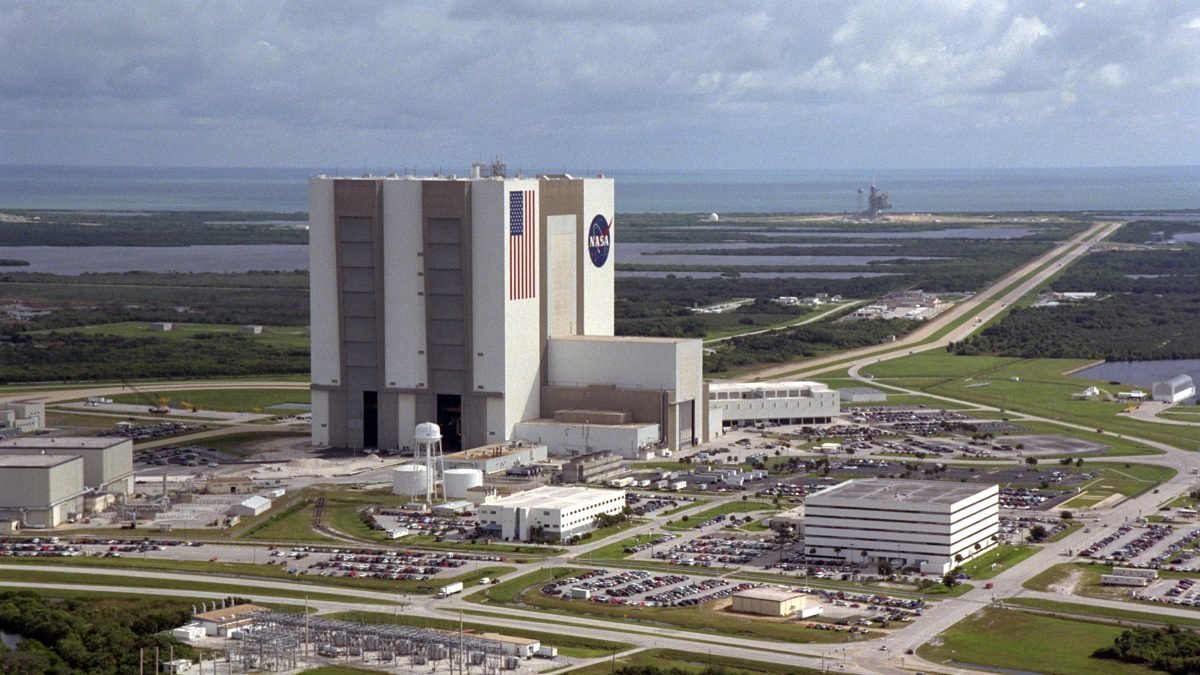
The Artemis IV launch is planned from Kennedy Space Center in Florida, using the SLS rocket. After reaching orbit, astronauts would board a lander made by either SpaceX or Blue Origin. Both companies have revised their original designs to make operations simpler and more adaptable.
The two approaches differ considerably. SpaceX plans to refuel its Starship in orbit before it meets Orion and heads for the Moon. Blue Origin will use its Blue Moon Mark 2 lander, which relies on extra propulsion stages in Earth orbit. That lander would meet Orion in a relatively low lunar orbit before descending. Keeping two possible systems gives NASA more flexibility as testing continues.
NASA is also weighing two upper stage options for the SLS rocket on Artemis IV. One is the interim cryogenic propulsion stage the rocket already uses. The second candidate is a longer Centaur V stage from United Launch Alliance, able to hold extra fuel. Having both options could help the agency respond to technical problems without putting the wider schedule at risk.
Lighter suits and a longer-term presence
NASA is also working with Axiom Space on a lighter spacesuit, known as the Sortie suit. It is designed for the first surface excursions and weighs about half as much as Axiom’s primary suit. The primary suit will still be used for longer and more demanding surface work.
Further in the future, the agency intends to dispatch astronauts on progressively tougher missions close to the lunar south pole. NASA frames the work as the start of a fresh golden age of exploration, with expected scientific, economic and technological benefits. The stated aim is a lasting human presence on the Moon rather than brief visits. NASA also sees the work as preparation for sending astronauts to Mars.
Frequently asked questions
When will NASA send astronauts back to the Moon?
NASA intends to land astronauts on the lunar surface with Artemis IV in 2028. That mission follows the Artemis III test flight, which is scheduled for 2027.
What will Artemis III do?
Artemis III will test Orion with lander test vehicles from SpaceX and Blue Origin in Earth orbit. The four-person crew will practise rendezvous and docking during a planned 14-day mission.
Why is NASA using two landing systems?
SpaceX and Blue Origin are taking different approaches to the lunar landing. Keeping both options gives NASA flexibility as development and testing continue.
Sources
This article was written with the help of AI from reports by the outlets listed above. See our Editorial Policy. Spotted a mistake? Tell us.