Sherrod Brown wins Ohio Senate race, dealing blow to Republicans
Democrats move closer to regaining Senate control as Brown returns to Washington after a two-year gap, according to The Guardian.

Key points
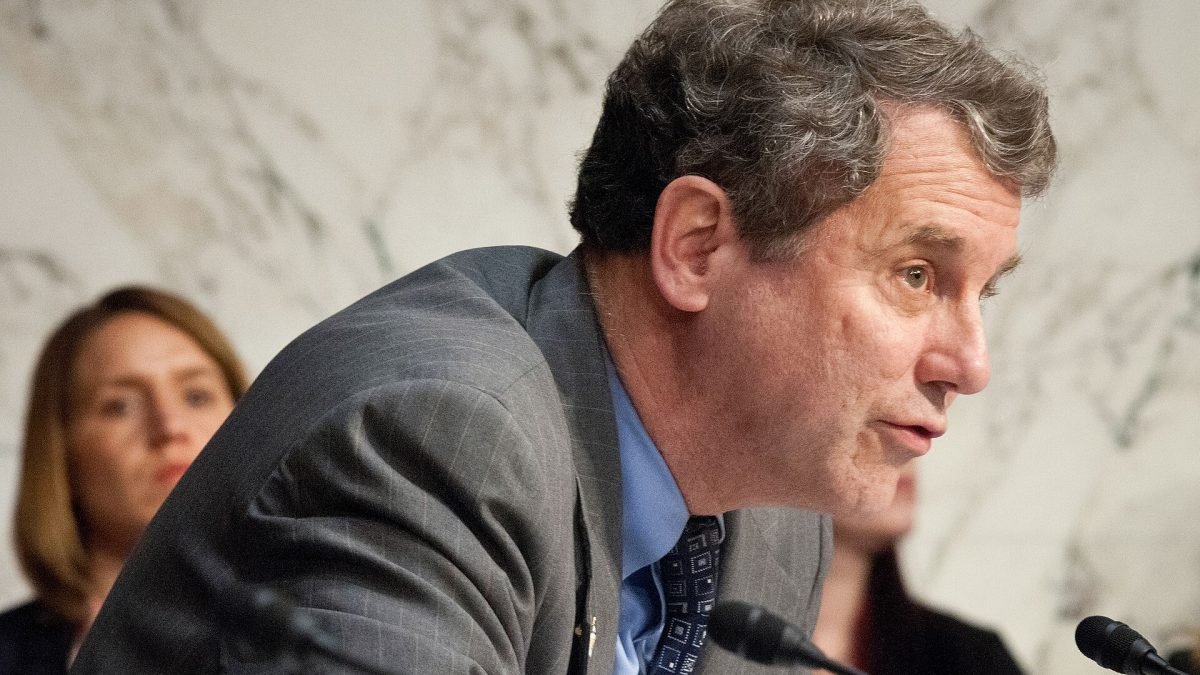
- Democrat Sherrod Brown defeated Republican incumbent Jon Husted in Ohio's Senate special election, according to The Guardian.
- The contest determines who fills the remaining two years of Vance's 2022 Senate seat.
- Democrats must hold their current seats and win at least four more to take back the Senate majority.
- Data centers and electricity bills were central issues in the campaign.
Democrat Sherrod Brown is returning to the Senate after Ohio voters turned away Republican incumbent Jon Husted, according to The Guardian. The result is a significant defeat for Republicans and a boost for Democrats ahead of the midterm elections.
Brown was ousted from the same seat in 2024, after holding it for 18 years. His comeback became one of the most closely watched contests of this year’s midterms. It was also seen as a test of whether Democrats can win back working class and rural voters who have moved away from the party in recent years.
A special election for a two-year term
The race was a special election to decide who would fill the remaining two years of the seat that Vance had captured in 2022. Husted had been appointed to the Senate in 2025 by Ohio’s Republican governor, once Vance moved into the vice-presidency. At the time, Husted was serving as the state’s lieutenant governor.
Whether Brown runs again is a decision he must make when the current term expires after 2028.
What the result means for control of the Senate
Brown’s win moves Democrats closer to regaining a majority in the upper chamber of Congress. Reaching that goal would require Democrats to defend their existing Senate seats in Minnesota, Georgia and New Hampshire, plus gain four or more additional seats.
During his two years in the Senate, Husted closely backed President Donald Trump’s policies and rarely broke with him. Trump’s approval ratings fell as voters grew unhappy with the war with Iran, rising prices and his tough immigration policies, the report said.
Campaign issues included living costs and data centers
Brown focused his campaign on lowering the cost of living for working families. He also criticised Trump’s war with Iran, the administration’s tariff policies and the building of data centers.
Data centers became a heated issue in races across the country. Many Democrats argued that Republican opponents were too close to an industry that has grown quickly with the rise of artificial intelligence. Critics say the industry has pushed up utility bills and harmed local communities.
Brown called Husted “the face of datacenters” on the campaign trail. Husted had welcomed new data center developments while serving as lieutenant governor.
A disputed bill in the Senate
Weeks before the vote, Husted pushed for Senate approval of the Ratepayer Protection Act. The proposal would have obliged utilities to examine regulations requiring data centers to bear grid-related expenses. The House of Representatives had passed the measure with almost unanimous support.
Senate Democrats blocked the bill. Minority leader Chuck Schumer called it “toothless”, a criticism Brown repeated during the campaign.
Frequently asked questions
Who won the Ohio Senate race?
Democrat Sherrod Brown won the race, defeating Republican incumbent Jon Husted, according to The Guardian. The contest was a special election for the final two years of JD Vanceu0026#039;s term.
Why does the Ohio result matter for the Senate?
Democrats must protect their present seats in Minnesota, Georgia and New Hampshire, and gain four or more others to take control. Brownu0026#039;s win brings them closer to that goal.
What issues shaped the Ohio campaign?
Brown focused on the cost of living, the war with Iran, tariffs and data centers. Data centers were a major concern because of their effect on electricity bills and local communities.
Sources
This article was written with the help of AI from reports by the outlets listed above. See our Editorial Policy. Spotted a mistake? Tell us.