Spain’s transport minister resigns and quits general election race
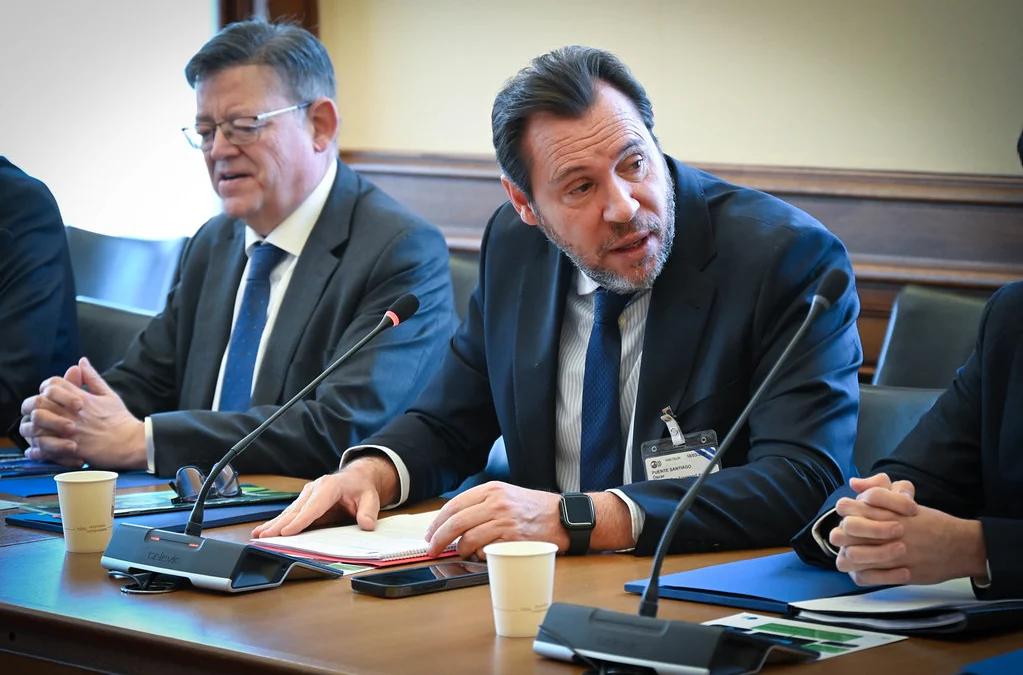
Óscar Puente announced his exit during a session in Congress, as the Socialist government heads into a general election on 29 November. Opposition parties and unions had pressed him to step down.

Key points
- Óscar Puente resigned as Spain's transport minister on Tuesday, according to the Guardian and BBC News.
- He also said he was withdrawing from the lists for the 29 November early election.
- The high-speed collision near Urda killed at least 69 people, according to BBC News.
- Puente said he had decided to resign soon after the crash but had not made it public.
- Renfe and Iryo are the two operators involved in the crash.
Spain’s transport minister, Óscar Puente, has stepped down. He made the announcement on Tuesday evening, at the close of a long session before lawmakers, according to the Guardian and BBC News. He also said he would no longer appear on the candidate lists for the early general election scheduled for 29 November.
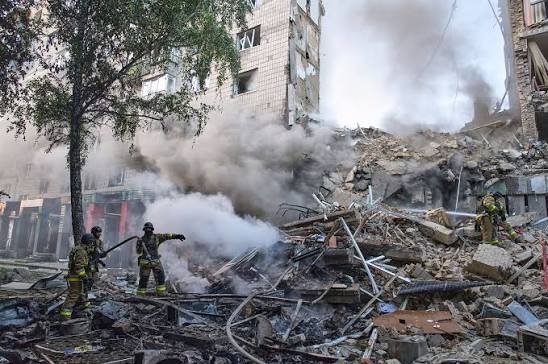
The move came six days after a high-speed train collision near Urda, a town south of Madrid. At least 69 people died and dozens more were hurt. BBC News described the disaster as among the deadliest rail accidents on the continent in modern times, and the worst crash in Spain since 2013.
How the crash happened
Renfe, the state-owned operator, had a train that drove into the rear of a stationary service run by the private company Iryo. BBC News reported that 397 passengers were on the Renfe train and 147 on the Iryo one.
An automated signalling fault had brought every train on a stretch of roughly 39 miles to a stop. Even so, a control room gave the Renfe service permission to keep moving, the Guardian reported.
Leaked audio, published by Spanish media shortly after the collision, captured exchanges between drivers and the Madrid control room. According to BBC News, the recordings suggest the controller knew the Iryo train was still halted when the Renfe service was closing in on it.
Iryo said the other service had hit its carriages from the rear. Puente had earlier called the order to proceed, without any speed limit, impossible to explain.
Pressure on the minister
Puente had repeatedly refused to quit since the disaster. The rightwing opposition had called for his departure, and unions faulted him for placing most of the responsibility on one control room worker.
BBC News reported that Puente said he had chosen to resign straight after the 28 October crash, but had kept that choice to himself. He pointed to a January collision on the same line in Andalusia, which killed 46 people. Puente argued that a minister responsible for transport could not keep his post after two crashes of such gravity within twelve months.
The resignation is a setback for the Socialist-led government of prime minister Pedro Sánchez. The Guardian noted that his party is behind in opinion polls ahead of the vote.
Safety measures and aid
Before stepping down, Puente set out a package of changes. Among them are digital tools for dispatch rooms, which would send automated warnings and make unusual traffic flows simpler to detect. He also proposed an artificial intelligence agent to supervise the system. When the automatic safety system is offline and an operator makes a call, a second person would need to approve it.
Conditions for control room staff would also change, including their rest breaks and checks on how tired they are. Puente announced a financial package worth €30m (£25m) aimed at relatives of those killed and people hurt, according to the Guardian.
The drivers’ union Semaf has scheduled work stoppages at Renfe on 10 and 12 November. It objects to deteriorating conditions and what it calls degraded systems. Critics argue that upkeep spending has lagged behind the rise in riders since 2021, when private firms gained access to the network and ended Renfe’s long dominance.
Frequently asked questions
Why did Óscar Puente resign?
Puente resigned after the high-speed train crash near Urda that killed at least 69 people. He said he had decided to step down soon after the crash, according to BBC News.
Is Puente still standing in the November election?
No. Puente said he would no longer be on the candidate lists for the early vote set for 29 November, according to the Guardian and BBC News.
What caused the Urda train crash?
A Renfe train ran into the back of a stationary Iryo train. An automatic safety system had failed, and leaked recordings suggest the Renfe train was allowed to continue, according to BBC News.
Sources
- The Guardian: Spanish transport minister resigns after deadly train crash
- BBC News: Spanish transport minister resigns days after deadly train crash
This article was written with the help of AI from reports by the outlets listed above. See our Editorial Policy. Spotted a mistake? Tell us.