White House denies Trump dozed during Xi speech at Apec summit
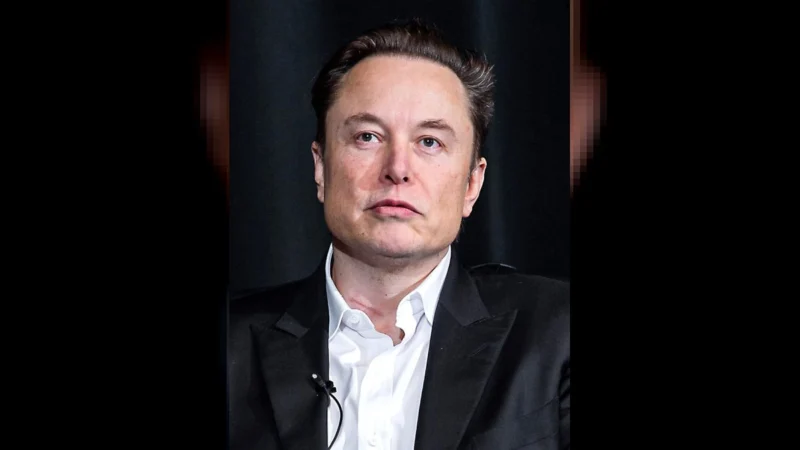
Critics said the US president closed his eyes during a speech by Xi Jinping. The White House rejected the claim and said he was reading documents.

Key points
- Critics said Donald Trump appeared to fall asleep during Xi Jinping's speech at the Apec summit in China.
- The US president reportedly closed his eyes for about 10 seconds on Thursday.
- White House communications director Steven Cheung said Trump was looking at papers.
- Similar accusations have followed Trump at many televised events in the past.
- Officials have repeatedly said the president does not sleep during meetings.
Donald Trump has again faced claims that he fell asleep during a televised event. According to The Guardian, the accusations this time came during a speech by Chinese president Xi Jinping at the Asia-Pacific Economic Cooperation (Apec) summit in China. The US president was reported to have closed his eyes for roughly 10 seconds on Thursday, with his head tilted down and his hands clasped in front of him.
Several well-known critics posted on social media that Trump was asleep. They included the group Republicans Against Trump, the press office of California governor Gavin Newsom and conservative lawyer George Conway. The White House rejected the claims. The 80-year-old president, according to officials, was looking down at papers in front of him.
Read also: Trump and Putin meet in Shenzhen ahead of China talks
White House response
Steven Cheung, the White House director of communications, answered a Newsweek article on X. He called the reports fake news and said footage showed Trump’s eyes moving back and forth. He also said that people distrust the media because it repeatedly spreads falsehoods.
The Guardian reported that this is not the first time such claims have surfaced. Similar accusations trail the president across a range of televised occasions, from briefings in the Oval Office to gatherings of his cabinet and sports events. In those moments, he sometimes shuts his eyes for several seconds while others speak. Clips of these moments have spread widely online.
Past statements from administration officials
Administration figures have previously explained such moments as blinking or as signs that the president was listening closely. They have also repeatedly said that Trump does not sleep. Marco Rubio, the US secretary of state, gave evidence to legislators earlier this year and said he had not once watched Trump doze off. In June, Rubio said the president does not sleep and called him at two in the morning.
Last year, JD Vance made similar remarks. He told Fox News that Trump does not sleep even on long overnight journeys, and that he expects others to keep working as well.
Why the claims matter
Trump became the oldest US president ever inaugurated when he took office nearly two years ago. Questions about his health and energy have followed him throughout his time in office. He often says he is in near-perfect health and points to what he describes as perfect cognitive test results.
Related: Xi hosts Putin and Trump in Shenzhen as China balances risks
Frequently asked questions
Did Trump fall asleep during Xi Jinpingu0026#039;s speech?
Critics said he appeared to, but the White House denied it. It said Trump was looking at papers in front of him, according to The Guardian.
Where did the event take place?
The speech was given at the Asia-Pacific Economic Cooperation (Apec) summit in China on Thursday.
What has the White House said about Trumpu0026#039;s sleep?
Officials have said he does not sleep during meetings and that apparent drowsiness is blinking or close listening.
Sources
This article was written with the help of AI from reports by the outlets listed above. See our Editorial Policy. Spotted a mistake? Tell us.