Ni‘ihau island breaks with its Republican voting record
A privately run island with a long conservative voting record has shifted, while its population and voter turnout continue to shrink.

Key points
- Ni‘ihau cast 14 of its 21 votes for Josh Green and Derek Kawakami for governor and lieutenant governor.
- It is the first recent backing of a Democrat for governor on the island, according to The Guardian.
- Only 48 voters were registered this year, the lowest turnout in the island's recorded history.
- The island is privately owned by the Robinson family, who have long supported Republican candidates.
Ni‘ihau, a small island west of Kauaʻi in Hawaiʻi, has broken with its long record of backing Republican candidates. According to The Guardian, the island cast 14 of its 21 votes for Democratic governor Josh Green and his running mate, Derek Kawakami, this month.
The island has a reputation for voting unanimously. In 2020, all 43 of its voters backed Donald Trump. Ballots from the island were once carried to Kauaʻi by carrier pigeon, and the island’s support for Republican candidates goes back to the early 1900s.
A shift in the voting pattern
The Guardian reports that there is no record of Ni‘ihau backing a Democrat for governor in the 21st century. Green received only four votes from the island in his 2022 campaign, while his Republican rival received 26. Before that, the island’s ballots favoured George Ariyoshi in 1978, with 74 of 86 votes going to him.
The island did back Barack Obama narrowly in 2012. In 2016, its voters supported Democratic candidates for the U.S. House and Senate, according to the Hawaiʻi Office of Elections.
Local ties may explain part of the change. Kawakami served as mayor of Kauaʻi, which includes Ni‘ihau, and has previously earned support from island voters in nonpartisan mayoral races. His campaign manager, Dan Giovanni, said the administration had worked with the island on its own terms. Green also said he had met members of the Robinson family personally.
A privately run island
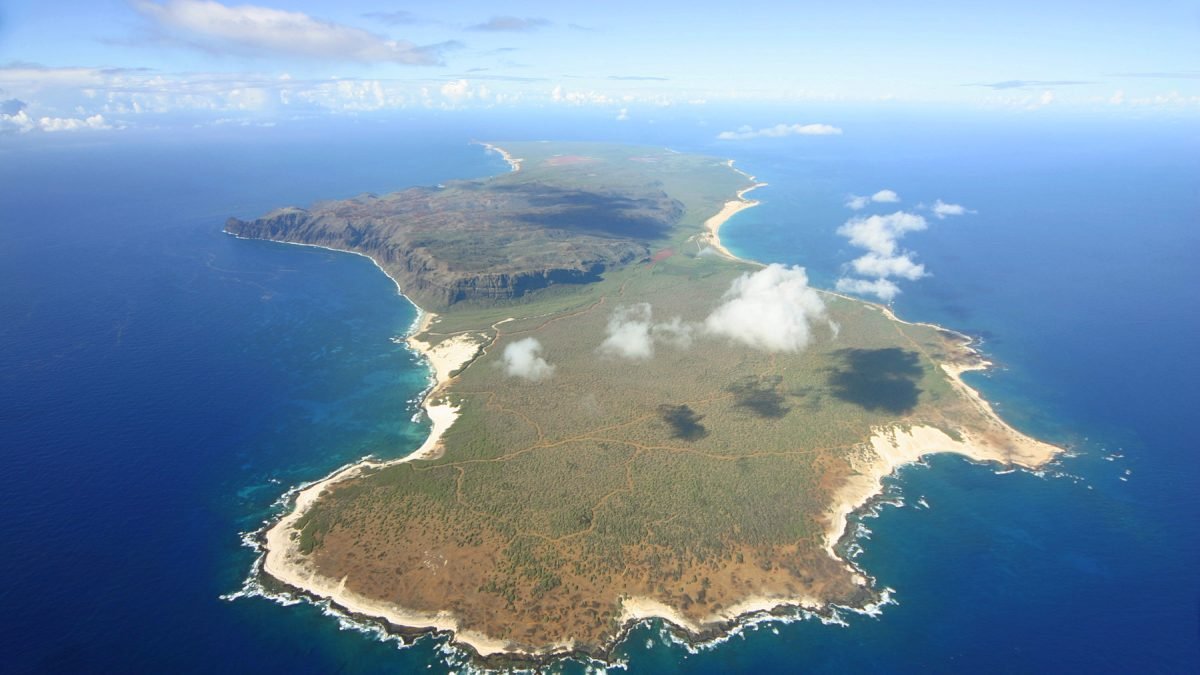
Ni‘ihau covers about 40,000 acres and has no hotels, paved roads, electrical grid or running water. Residents use horses or bicycles and collect rainwater. The island is the only place in Hawaiʻi where the Hawaiian language remains the main form of communication.
The Robinson family, a Scottish plantation family, bought the island from King Kamehameha V in 1864 for $10,000. Visitors need the family’s permission to set foot on the island. Bruce and Keith Robinson now lead the family, and Bruce’s wife, Leiana Robinson, handles much of the daily management.
Residents live rent-free but must follow a strict code of conduct based on the family’s Calvinist values. Keith Robinson, 85, has described himself as a rightwing extremist. He said the island’s voting choice was a matter for its residents, not for him.
Falling population and turnout
The election results also show a steady decline in the number of people living on Ni‘ihau. Historical records usually list about 100 registered voters. This year there were 48, and only 21 cast ballots, the lowest turnout on record.
Keith Robinson said the decline has happened gradually and that he is not pleased about it. He said some people prefer a quiet life, while others are drawn to city life.
The island’s shift came as Hurricane Lowell hit Ni‘ihau in September. The Kawakami administration worked with the island’s management after the storm, which Giovanni said helped build trust.
Frequently asked questions
Why did Ni‘ihau vote for a Democrat for governor?
According to The Guardian, local ties may explain part of the shift. Lieutenant governor candidate Derek Kawakami was a former mayor of Kauaʻi, and the island has previously supported him in nonpartisan races.
Who owns Ni‘ihau?
The island is owned by the Robinson family, a Scottish plantation family that bought it in 1864. Bruce and Keith Robinson now lead the family.
How many people voted on Ni‘ihau this year?
Only 21 of the 48 registered voters cast ballots, the lowest turnout in the islandu0026#039;s recorded history, according to The Guardian.
Sources
This article was written with the help of AI from reports by the outlets listed above. See our Editorial Policy. Spotted a mistake? Tell us.