UN court finds Myanmar committed genocide against Rohingya
Myanmar rejects the verdict as unfair, while Rohingya refugees celebrate. The court has no direct power to enforce its decision.

Key points
- The International Court of Justice found Myanmar committed genocide against the Rohingya minority
- The ruling was 9-6, with the court ordering safe passage home and compensation
- Myanmar's presidential spokeswoman, Khaing Khaing Soe, called the decision unfair
- The court cannot enforce its verdict, and its rulings cannot be appealed
- The United States urged caution and warned against politicising the court
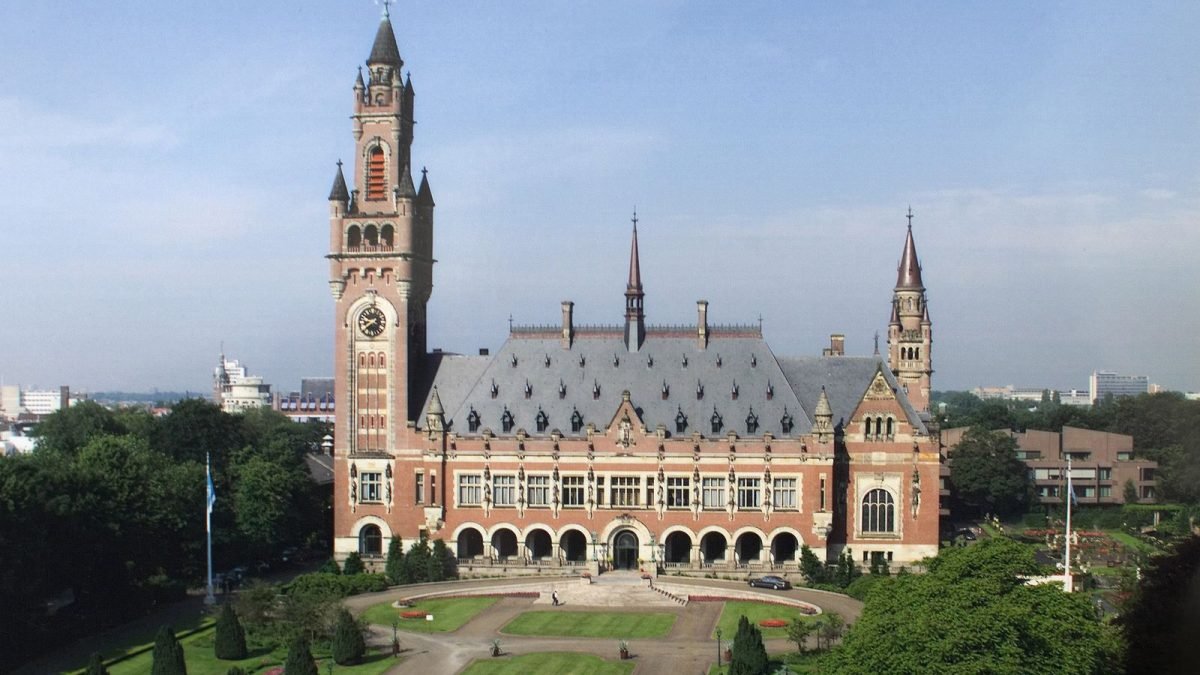
The International Court of Justice (ICJ) has ruled that Myanmar committed genocide against its Rohingya minority, according to reporting by CNA and The Guardian. The judgment was delivered in The Hague on Thursday, and it marks the first time the court has found a state guilty of genocide in its 80-year history.
Myanmar’s presidential spokeswoman, Khaing Khaing Soe, responded at a press conference in Naypyidaw on Friday. She said the decision was unfair, pointing out that not all 15 judges agreed. The vote stood at 9-6.
Read also: Court to rule on genocide claims against Myanmar over Rohingya
What the court found
The judges said Myanmar’s security forces carried out a campaign during a 2017 crackdown in western Rakhine state. The court’s findings also described mass killings, sexual assaults targeting women, and brutal harm inflicted on children, as CNA reports. The Guardian reports that more than 10,000 Rohingya were killed, while CNA cites the court’s president describing the death toll as thousands.
Myanmar had argued that its operations were counter-insurgency measures against armed attacks. The court rejected that argument, saying there was no evidence that Myanmar separated civilians from alleged fighters during the clearance operations. Judges also concluded that Rohingya villages were torn down and handed over to non-Rohingya residents.
According to CNA, the court considered the only logical conclusion to be that Myanmar aimed to wipe out the Rohingya as a group, which is a central requirement for a genocide finding. Hundreds of thousands fled to neighbouring Bangladesh. The Guardian puts the figure at about 700,000.
Limits of the verdict
The court called for refugees to be allowed a safe route home and awarded compensation. The specific sums have not yet been set. Rulings by the ICJ are binding and cannot be appealed, but the court has no direct means of enforcing them. It is not yet clear whether Myanmar’s leaders will follow the orders.
The leader at the centre of the case is Min Aung Hlaing, who commanded the military during the crackdown. He later led the 2021 coup that removed the elected government of Aung San Suu Kyi. Earlier this year he became civilian president after elections that were heavily restricted, and he is now seeking wider diplomatic recognition.
Reactions and wider context
China, one of Myanmar’s few remaining partners since the coup, raised concerns about judicial overreach. A Chinese judge on the panel voted in Myanmar’s favour on every point except one. The United States responded cautiously and stressed the need to avoid politicising the court. Washington had itself found in 2022 that Myanmar committed genocide, but it has more recently opposed a separate case at the ICJ, brought by South Africa, which accuses Israel of genocide in Gaza.
The case was brought by The Gambia on behalf of the Rohingya. In Bangladesh, refugees in the world’s largest refugee camp watched the verdict on screens, and many cheered and held signs thanking The Gambia. Separately, the International Criminal Court is investigating the 2017 violence, and prosecutors sought an arrest warrant for Min Aung Hlaing in 2024.
What comes next
Many Rohingya say they hope the ruling will push governments to act. Some refugees, however, do not expect to return home soon. Farida Khatun, a refugee since 2017, said she does not believe she will be able to go back in true peace, because her village was destroyed. Continuing violence against the Rohingya inside Myanmar makes any large-scale return uncertain.
Related: Myanmar found guilty of genocide against Rohingya by UN court
Frequently asked questions
What did the International Court of Justice decide about Myanmar?
The court ruled that Myanmar committed genocide against the Rohingya minority during a 2017 crackdown. The vote was 9-6. It was the first time the ICJ has found a state guilty of genocide.
Can the ICJ enforce its ruling against Myanmar?
The court has no way of enforcing its verdicts, although its rulings are binding and cannot be appealed. It remains unclear whether Myanmaru0026#039;s leaders will follow the orders.
Why does Myanmaru0026#039;s government dispute the verdict?
Myanmar has always denied genocide and said its actions targeted insurgents. Its spokeswoman said the decision was unfair because not all judges agreed.
Sources
- CNA: Myanmar says international court's genocide ruling 'not fair'
- The Guardian: ‘Everyone struggled for this justice’: tears in court as Rohingya vindicated in Myanmar genocide ruling
This article was written with the help of AI from reports by the outlets listed above. See our Editorial Policy. Spotted a mistake? Tell us.