Court to rule on genocide claims against Myanmar over Rohingya
The International Court of Justice is scheduled to deliver its verdict on Thursday. A win for The Gambia would be a first for an international court finding a state guilty of genocide.

Key points
- The International Court of Justice is due to deliver its verdict on Thursday, according to BBC News.
- The Gambia brought the case in November 2019, backed by the Organisation of Islamic Co-operation.
- The case concerns military operations in Rakhine State in 2017 that drove out Rohingya civilians.
- No international court has yet found a state guilty of genocide, and an ICJ verdict cannot be appealed.
- Myanmar denies genocide and says its operations targeted Rohingya militants.
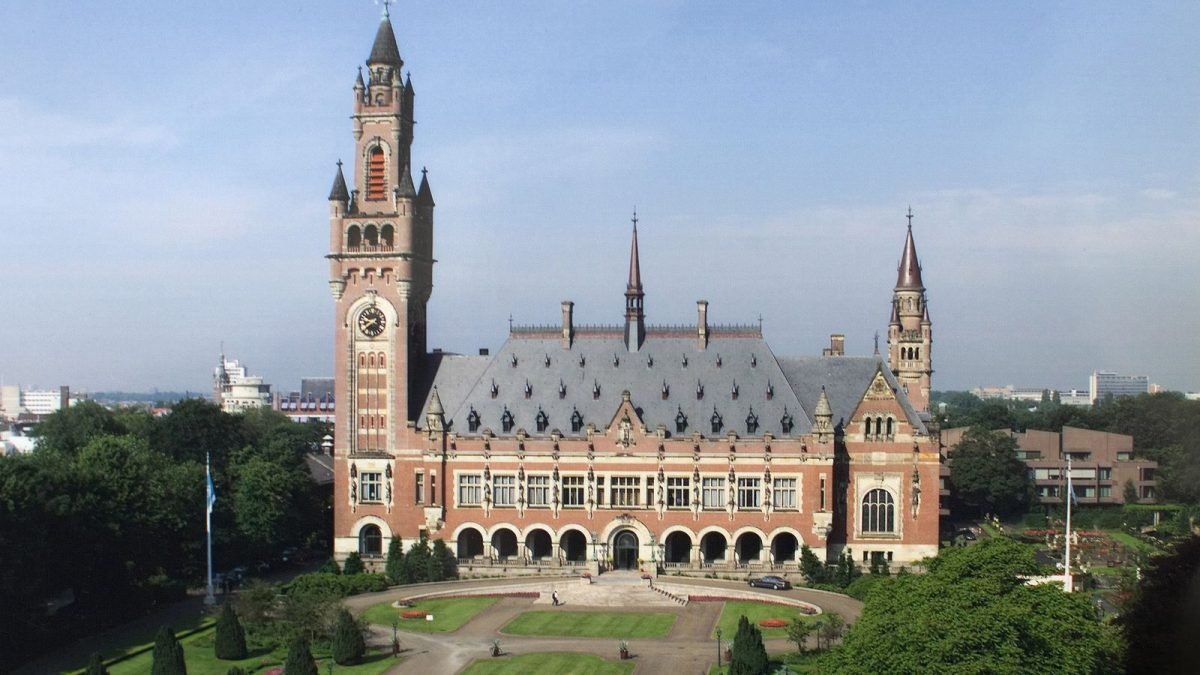
The International Court of Justice is scheduled to read out its verdict on Thursday in a genocide case brought by The Gambia against Myanmar, according to BBC News. If the judges rule in The Gambia’s favour, the ruling would be a first. No state has ever been found guilty of genocide by an international court.
The Gambia filed the case in November 2019, with support from the Organisation of Islamic Co-operation. It targets the state of Myanmar, not only its military, over the mass expulsion of Rohingya from Rakhine State in August and September 2017. Rights monitors and a UN investigative panel have recorded killings, torture and mass rape, reports that BBC News says are well established.
Why the case is unusual
The ICJ was set up in 1945 to settle disputes between states, not to prosecute individuals for international crimes. It took on the case because few other routes to justice existed for the victims. Myanmar was not a party to the International Criminal Court, which is why the case could not go there.
The Gambia had no direct stake in the events, but it argued that every state shares an interest in upholding the 1948 Genocide Convention. Myanmar objected, yet the judges ruled that The Gambia could bring the case. Aung San Suu Kyi, then head of Myanmar’s elected government, personally led the initial defence in The Hague and faced heavy criticism for it. Since a military coup in 2021 removed her from power, the defence has been run by a team appointed by the military.
The high bar for proving genocide
Courts have found it very hard to prove genocide, because judges need proof of genocidal intent. In a case brought by Bosnia-Herzegovina against Serbia in 1993, the ICJ took 14 years to rule. It recognised the 1995 Srebrenica massacre as genocide, but it found no sufficient proof that Serbia itself held genocidal intent, though it had failed to prevent genocide.
Myanmar and Aung San Suu Kyi have made a similar argument. They accept that war crimes may have occurred, but they say this does not prove intent to destroy the Rohingya as a group. Arsalan Suleman, the lawyer leading The Gambia’s case, told BBC News that decades of discriminatory policies, including the 1982 citizenship law, show the intent behind the 2017 operations.
What a ruling could mean
Rulings from the court cannot be contested in a higher tribunal, and the court itself attaches no automatic punishment to them. Min Aung Hlaing, the general who now runs Myanmar, has been working to improve his country’s image abroad. A genocide finding would be a setback for him, though his focus is mainly on neighbouring Asian countries, which may pay less attention to the verdict.
For the Rohingya diaspora, the case carries deep meaning. Mohammed Nowkim, a Rohingya who was forced out of Buthidaung in 2017 and now lives in Canada, described the trial as formal recognition of suffering. Activists hope a ruling in The Gambia’s favour will push other countries to act toward a safe return to Rakhine State. More than a million Rohingya remain in camps in Bangladesh, where they are barred from working as international funding falls.
Obstacles to return remain serious. The Arakan Army now controls most of Rakhine State after fighting with the military. Many Rakhine residents strongly oppose the return of Rohingya, many villages have been destroyed, and international support for the community has faded over the years. A genocide verdict would not by itself change those conditions.
Frequently asked questions
When will the ICJ verdict in the Myanmar case be delivered?
According to BBC News, the International Court of Justice is scheduled to read out its verdict on Thursday. The report was published on 18 November 2026.
Why did The Gambia bring the case against Myanmar?
The Gambia filed the case in November 2019, backed by the Organisation of Islamic Co-operation. It argues that all states share an interest in upholding the Genocide Convention and accuses Myanmar of genocide over the 2017 Rakhine operations.
Can an ICJ verdict be appealed or enforced?
A higher court cannot review an ICJ ruling, and the court does not attach any punishment to its decisions, BBC News reports.
Sources
This article was written with the help of AI from reports by the outlets listed above. See our Editorial Policy. Spotted a mistake? Tell us.