Brexit’s economic toll on UK and EU ahead of Brussels summit
Prime minister Andy Burnham heads to a UK-EU summit in Brussels. Both sides face economic pressures, and the picture since 2016 is mixed.

Key points
- UK and EU leaders meet in Brussels on Friday, with the economy high on the agenda, according to The Guardian.
- Economist Nick Bloom finds UK output per person sits 6% to 8% below where it would be outside the EU.
- Measured in real terms, UK goods exports to the EU in 2025 fell 14% short of their 2019 level.
- The UK ranks third in the Global AI Index, ahead of every EU nation.
- Goldman Sachs estimates rejoining the single market could add £61bn to £152bn to the UK economy.
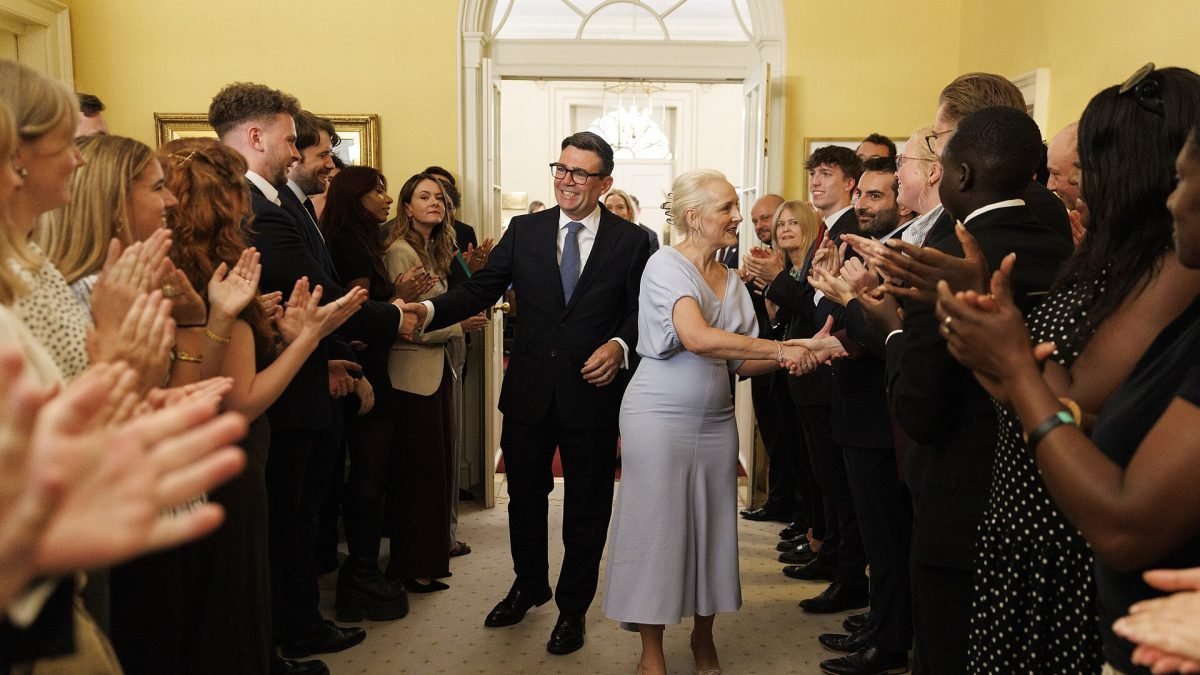
Prime minister Andy Burnham is set to meet EU leaders in Brussels on Friday, and the economy is at the centre of the talks. According to The Guardian, the meeting takes place while the war in the Middle East is weighing on the global economy. It will be the second UK-EU summit since Britain left the bloc.
Burnham has argued that Brexit “has not worked”, pointing to damage done to the British economy. The Guardian notes that the EU also faces its own economic problems, so the picture is mixed on both sides.
Read also: UK and EU set to sign trade, energy and youth deals in Brussels
How the UK has fared since Brexit
Political turmoil and economic uncertainty followed the 2016 referendum, and these weighed on business investment for years. Trade has also suffered from new barriers and extra paperwork for exporters under the deal Boris Johnson agreed.
According to economist Nick Bloom’s analysis, output per person in the UK sits 6% to 8% below where it would have been had Britain stayed in the bloc. The Office for Budget Responsibility sees a loss of 4% across 15 years.
Not every sector has suffered. Measured in real terms, UK goods exports to the EU in 2025 fell short of 2019 by 14%, while sales to other markets were 8% lower. Service exports moved the other way, rising 28% to the EU and 26% elsewhere, helped by the dominant financial sector, along with law, accountancy, IT and telecoms.
Since leaving, Britain sets its own trade rules rather than following Brussels. Ministers have lowered duties on some goods to ease the cost of living, gherkins among them in last month’s budget. An agreement on duties was also reached with Donald Trump on terms the EU did not secure. Critics counter that the UK carries less weight alone in international negotiations, and that moving away from EU standards could harm ties with its biggest trading partner.
On artificial intelligence, Britain ranks third in the Global AI Index, above every EU member. France leads the EU in sixth place. The gap is partly, though not wholly, explained by Britain’s lighter regulatory approach compared with Brussels. Output has expanded at the second-fastest rate in the G7 so far this year, with AI cited as a support even as the Middle East conflict weighs.
Impact on the EU economy
Brexit has had smaller effects on the EU, because it is a much bigger market. Exporters from EU states find Britain harder to reach because of trade barriers, and migration has also declined. The referendum encouraged populist parties across the bloc, yet no wave of imitation exits emerged, partly because Britain’s turmoil discouraged others.
Germany has been hit by high energy bills and competition from China in its manufacturing sector. France’s political instability has lifted borrowing costs and dampened growth. Poland has prospered as an EU member, and several southern economies that struggled during the eurozone debt crisis have recovered strongly. The European Commission’s latest forecasts suggest the bloc has held up better than expected during the Middle East war.
What lies ahead
The summit agenda includes a scheme for young people to move and work between the two sides, a food and drink agreement that might be worth as much as £5.1bn each year to the UK, and a deal linking emissions trading that could bring up to £3.8bn annually. Goldman Sachs analysts calculate that rejoining the single market might boost UK output by 2% to 5%, which would amount to between £61bn and £152bn by the beginning of the next decade. Most experts believe closer ties would deliver economic gains, though disagreement inside the UK over how far to go could unsettle businesses.
Next year brings several key votes in the EU, among them in France, Poland and Italy. Marine Le Pen tops polling for the French presidency. In Germany, the AfD is growing in popularity, although the next federal vote is not due until 2029. Early next year a new president of the European Central Bank will be chosen to succeed Christine Lagarde, a decision taken amid rising inflation, weaker growth and higher government borrowing costs. Spanish economist Pablo Hernández de Cos is seen as the favourite. The Guardian expects a harder 2027 for Britain, with elevated price rises tied to the Middle East conflict and a squeeze on family budgets likely to hold back growth.
Frequently asked questions
What is the UK-EU summit about?
The summit in Brussels on Friday will focus on economic ties. Key topics include a scheme for young people to move and work between the two sides, a food and drink trade deal and an emissions linking agreement, according to The Guardian.
How has Brexit affected the UK economy?
Economist Nick Bloomu0026#039;s analysis puts UK output per person 6% to 8% below the level it would have reached outside the EU. The Office for Budget Responsibility sees a 4% loss over 15 years. Service exports have grown, while goods exports to the EU remain below 2019 levels.
How has Brexit affected the EU?
Trade barriers have made Britain harder for EU exporters to reach, and migration has declined. The EU economy has also faced its own challenges, including energy price shocks and the Middle East war.
Sources
- The Guardian: What impact has Brexit had on the UK and EU economies?
This article was written with the help of AI from reports by the outlets listed above. See our Editorial Policy. Spotted a mistake? Tell us.