Delhi Air Turns Very Poor as Diwali Firework Rules Begin
Smoke from crop burning and cold, still weather have pushed the Indian capital's pollution higher just days before one of the country's biggest festivals.

Key points
- Delhi's Air Quality Index rose above 300, entering the very poor category, according to BBC News.
- Officials activated the second stage of GRAP to limit dust and vehicle emissions.
- India's Supreme Court allowed certified green firecrackers for limited hours on 7 and 8 November.
- Mumbai's air quality has improved to satisfactory levels after nearly two weeks of smog.
Delhi is facing a sharp deterioration in air quality as winter arrives, according to BBC News. The city’s Air Quality Index has moved above 300, which places it in the “very poor” band. Health concerns are growing for millions of residents, and the reading stood at 377 on Wednesday morning.
Officials have moved the city into the second level of a tiered pollution plan, known as GRAP, which targets dust and car exhaust. The steps are designed to cut down on dust and vehicle fumes, along with other pollution sources. Similar measures have been used in past winters when the air became hazardous.
Why the air has worsened
Experts say falling temperatures and slow winds have trapped pollution close to the ground. A recent storm had brought rain and stronger winds that cleared the air for a time. Once the weather settled, north-westerly winds carried smoke from farm fires in the nearby states of Punjab and Haryana towards the capital.
The rise follows an unusually clean October. Delhi recorded its lowest average AQI for that month in eight years. Experts link the change for the worse to the seasonal pattern of winter weather and crop fires rather than a single cause.
Breathing polluted air over long periods can lead to breathing problems and make existing illnesses worse. Children and older people are considered the most vulnerable. The index tracks eight major pollutants, including PM2.5, fine particles that are about 30 times thinner than a human hair and can reach deep into the lungs.
Diwali firework rules
Diwali, one of India’s biggest festivals, falls only days away. The celebrations use lamps, lights and fireworks, which add fine particles and harmful gases to an already polluted atmosphere. Last year, the city was shrouded in smog the day after the celebrations, although a court had requested cleaner firecrackers.
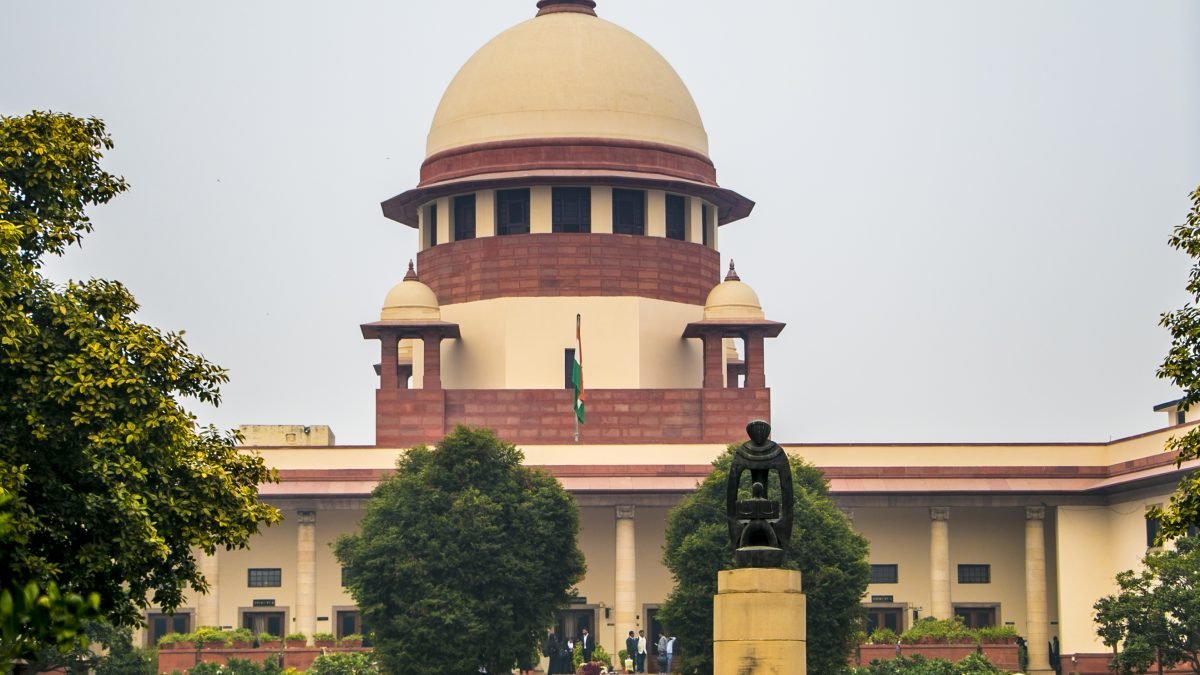
On Monday, India’s top court permitted certified eco-friendly firecrackers to be made, sold and set off in Delhi and nearby areas for a short window. Green firecrackers use modified chemical mixes intended to produce fewer emissions. They must carry QR codes so buyers and authorities can check the maker and certification.
The court set specific windows for setting them off. These are 06:00 to 07:00 and 20:00 to 22:00 local time on 7 and 8 November, the Diwali weekend. No fireworks may go off within 300 metres of medical facilities, elderly residences, educational buildings or quiet areas set aside by authorities.
The court also acknowledged that conventional firecrackers had continued to be sold under the green label, even when a full ban was in force. Officers have been instructed to watch approved vendor zones, run spot checks on QR codes, and confiscate unlawful products.
Mumbai shows a different picture
Pollution has also been high in Mumbai, India’s financial hub, over the past month. Coastal breezes usually help disperse pollutants there, but weak winds, dust from building sites, waste being burned, smoke from fireworks and pollution drifting in from nearby areas all contributed. On 24 October, the city’s AQI reached 322.
The situation has since eased. Mumbai recorded an AQI of 89 on Wednesday, which is classified as satisfactory. Neighbouring Navi Mumbai reported a moderate reading of 118. The improvement came after almost two weeks of smoggy conditions, during which locals posted pictures and clips of the murk online.
Delhi’s authorities have in past severe episodes introduced hybrid schooling, work-from-home arrangements and limits on certain vehicles. Whether similar steps follow this week will depend on how the air changes as the festival approaches, and on how well the firecracker rules are enforced.
Frequently asked questions
Why is Delhiu0026#039;s air quality so poor right now?
Falling temperatures, slow winds and smoke from crop-residue burning in Punjab and Haryana have combined to raise pollution. Delhiu0026#039;s AQI rose above 300, entering the very poor category.
When can green firecrackers be set off during Diwali in Delhi?
Indiau0026#039;s Supreme Court set two windows, 06:00 to 07:00 and 20:00 to 22:00 local time, on 7 and 8 November. Fireworks are not allowed within 300 metres of medical facilities or quiet zones.
How is Mumbaiu0026#039;s air quality now?
Mumbai recorded an AQI of 89 on Wednesday, which is classified as satisfactory, according to BBC News. This follows a reading of 322 on 24 October.
Sources
This article was written with the help of AI from reports by the outlets listed above. See our Editorial Policy. Spotted a mistake? Tell us.