Antarctic ozone hole grows to largest size in a decade
A strong polar vortex helped the hole spread across a vast area, but scientists say falling chemical levels show the ozone layer is healing.

Key points
- The 2026 Antarctic ozone hole ranked seventh-largest in 48 years of observations, according to ScienceDaily.
- It averaged about 9.6 million square miles between September 7 and October 13.
- An unusually strong polar vortex is the main cause cited by scientists.
- Scientists say ozone-depleting chemicals were far higher in 2000, and the hole could have been larger.
- Projections point to full repair of the layer around the 2070s.
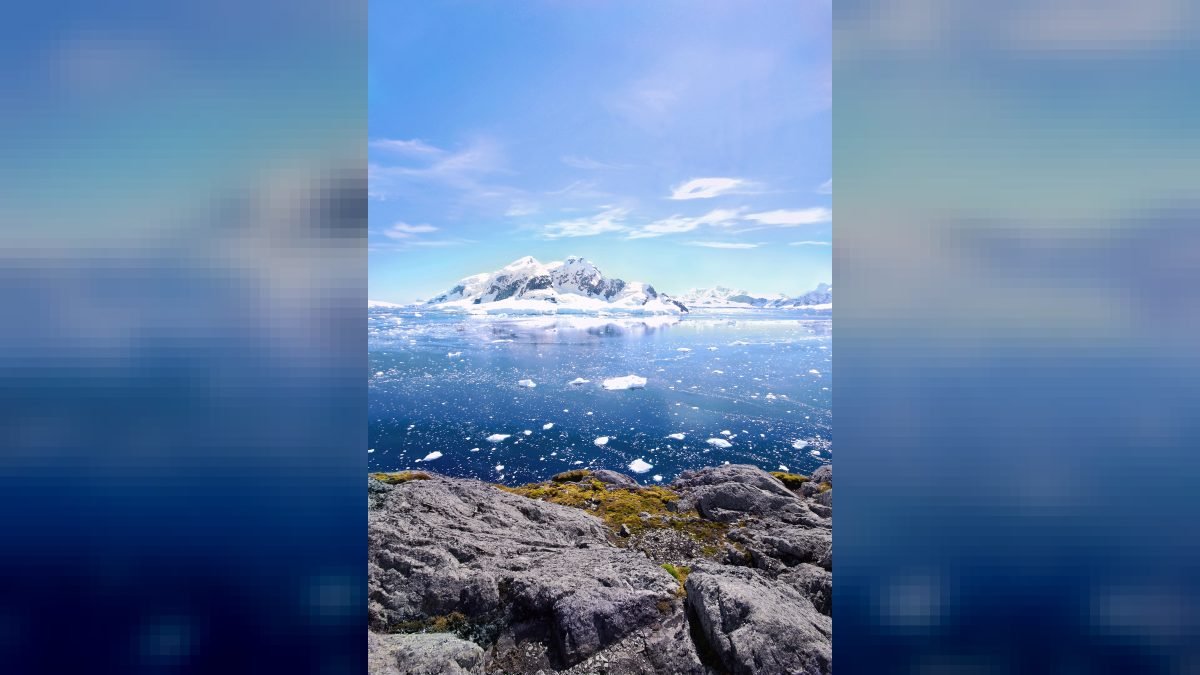
The 2026 Antarctic ozone hole has grown to its largest size in about a decade, according to a report published by ScienceDaily that cites findings from NASA and NOAA. Measured by its typical seasonal footprint, the hole ranked seventh in nearly five decades of records.
Between September 7 and October 13, when ozone depletion peaked, its mean extent came to around 9.6 million square miles, which converts to about 25 million square kilometers. To put that in perspective, the coverage exceeded the United States by a factor of two. Its greatest size came on September 18, when it covered roughly 10.5 million square miles. That was about nine-tenths of the record maximum, set on September 9, 2000.
What drove the expansion
Scientists mainly attribute the larger hole to an unusually strong polar vortex. The polar vortex is a ring of powerful winds that forms each season around the continent, and it keeps frigid air trapped above the region. Cold conditions allow special clouds to form, and those clouds help trigger the destruction of ozone.
Amy Butler, a research scientist at the NOAA Chemical Sciences Laboratory, noted that the atmospheric waves usually breaking the vortex apart were unusually feeble in August and September this year. This kept the core winds several degrees of latitude away from the pole, widening the zone where ozone loss could happen.
Even so, the hole did not reach the extreme ozone loss seen during record events 10 or 20 years ago. Specialists at NOAA sent up balloon-borne sensors from the observatory at the South Pole. Measurements taken over the pole recorded a low of 105 Dobson units on October 17, the minimum for the year. The record low at that location stands at 92 Dobson units, logged in October 2006.
Signs of recovery
Paul Newman, a senior scientist at the University of Maryland who has long led NASA’s ozone research team, said the later timing of the seasonal hole suggests the ozone layer is healing. He estimated that, had such substances remained as abundant as at the 2000 high point, the hole would now be between 1 and 2 million square miles bigger.
Stephen Montzka, a senior NOAA Global Monitoring Laboratory scientist, reported that Antarctic stratospheric chlorine tied to these compounds is roughly a third lower than during its 1980s high. A 1987 worldwide accord known as the Montreal Protocol is credited with much of this progress, as it set out a timetable for ending these compounds.
Why the story matters
Ozone high in the stratosphere acts as a natural shield against dangerous solar radiation. Substances like CFCs once appeared in fridges, air-conditioners and insulation materials. Many have been phased out, yet they linger for decades, which means repair is slow.
NASA and NOAA continue to monitor the layer. Projections put the full repair of the Antarctic hole at around the 2070s. According to the research, this year’s event shows how unusual weather can cause temporary severe depletion without undoing decades of progress.
Frequently asked questions
How big was the 2026 Antarctic ozone hole?
On average, it covered about 9.6 million square miles between September 7 and October 13, according to ScienceDaily. At its peak on September 18 it reached about 10.5 million square miles.
Why did the ozone hole grow so large this year?
Scientists mainly point to an unusually strong polar vortex. Weak weather disturbances in August and September allowed the winds to stay powerful and widened the area where ozone could be destroyed.
Is the ozone layer recovering?
Scientists say chlorine linked to ozone-depleting chemicals has fallen by about one-third from its 1980s peak. Projections put the full repair of the Antarctic hole at around the 2070s.
Sources
This article was written with the help of AI from reports by the outlets listed above. See our Editorial Policy. Spotted a mistake? Tell us.