Diwali lights up India as Delhi air pollution worsens
Families across the country mark the festival of lights, but smoke and smog in Delhi and Mumbai raise concerns about the celebrations.

Key points
- Millions across India are marking Diwali with oil lamps, prayers and lights
- Delhi has recorded hazardous air pollution, described as its most polluted Diwali in a decade
- India's Supreme Court allowed certified green firecrackers in Delhi and nearby areas for a limited period
- Muhurat trading takes place on the stock exchanges on 8 November
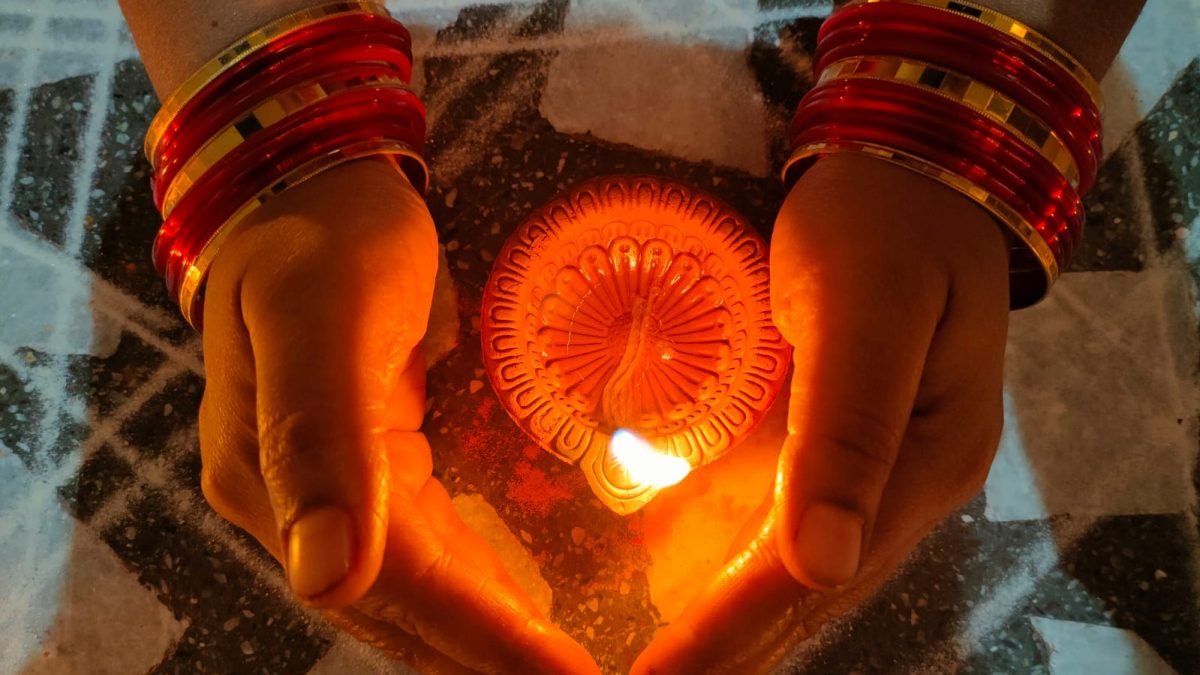
Millions of people across India are marking Diwali, the Hindu festival of lights, according to BBC News. Oil lamps and coloured lights brighten homes, temples, offices and streets, a visual sign of the belief that light can overcome darkness.
The festival takes place on a night in the Hindu month of Kartik when no moon is visible in the sky. Customs differ from one region and community to another, but most households take part in prayers, family gatherings, the swapping of sweets and the lighting of firecrackers.
Read also: Delhi Air Turns Very Poor as Diwali Firework Rules Begin
Pollution worries overshadow the lights
This year the celebrations are taking place against a backdrop of growing unease about air pollution, especially in northern India. Weather patterns and the burning of crop residue are degrading air quality, and firecrackers set off during the festival can add to the problem.
BBC News reported that pollution in Delhi has climbed to hazardous levels. The city has recorded its most polluted Diwali in ten years, a sign that recently introduced measures to improve air quality have appeared to have limited success. Mumbai, India’s financial capital, has also seen high pollution levels in recent weeks.
Supreme Court permits certified green firecrackers
On Monday, India’s Supreme Court allowed the manufacture, sale and use of firecrackers certified as green in Delhi and nearby areas, but only for a set period. Such products are meant to release 20-30% fewer emissions than standard fireworks.
Critics, however, doubt how much cleaner air these firecrackers will deliver. Another concern is that ordinary, non-green firecrackers could still reach the capital from neighbouring states.
The debate over fireworks is only one part of the story. Diwali carries deep religious and family meaning for many people.
Meaning and customs of the five days
Diwali commemorates the return of Lord Ram to Ayodhya after he defeated Ravan, the chief antagonist in the Hindu epic Ramayana. The festival stands for good winning over evil and knowledge replacing ignorance.
Before the festival, families clean their homes and decorate them with flowers, lights and diyas, the traditional oil lamps. Rangoli, colourful patterns, are drawn at home entrances, and shops fill with shoppers buying festive goods.
The celebrations begin with Dhanteras on 6 November, when buying gold, silver or new utensils is seen as lucky. The second day, Chhoti Diwali, or small Diwali, involves lighting lamps and, in some homes, setting off firecrackers.
The third day is the main event. Families offer evening prayers to Lakshmi, the goddess of wealth and prosperity, and then sit down to festive meals and fireworks. The fourth day varies, with family gatherings and New Year celebrations in some communities.
The fifth and last day is Bhai Dooj, which honours the bond between brothers and sisters.
Sikh and Jain observances, and global celebrations
Diwali is also marked by Sikhs and Jains alongside their own observances. Sikhs observe Bandi Chhor Divas, or Prisoner Release Day, which recalls the freeing of their sixth guru, Guru Hargobind, from Gwalior Fort in the early 17th century. For Jains, the festival marks the attainment of moksha by Lord Mahavira, the 24th and final Tirthankara of the current era.
Because Indian communities live around the world, Diwali is also celebrated internationally, with gatherings and gift exchanges. Many people consider the period a good time for new purchases, which they believe bring prosperity.
India’s stock exchanges will hold a special one-hour trading session, known as Muhurat trading, on 8 November this year. Investors who see trading on the festival as favourable can take part. Although the festival has Hindu roots, it is observed by people of many faiths and backgrounds.
Frequently asked questions
What is Diwali?
Diwali is the Hindu festival of lights, marked by oil lamps, prayers, family gatherings and sweets. According to BBC News, it represents the victory of light over darkness and good over evil.
Why is Delhiu0026#039;s air so polluted during Diwali?
BBC News reported that seasonal weather, crop residue burning and firecrackers all contribute to poor air quality. Delhi has reached hazardous levels, making this its most polluted Diwali in a decade.
What is Muhurat trading?
Muhurat trading is a special one-hour session on Indiau0026#039;s stock exchanges held during Diwali. It will take place on 8 November this year, according to BBC News.
Sources
This article was written with the help of AI from reports by the outlets listed above. See our Editorial Policy. Spotted a mistake? Tell us.