Estonia to shut Russia border crossings after foiled drone factory attack
Tallinn blames Russia's GRU for a planned arson attack near the capital, and eight arrests have been made.

Key points
- Estonia will close all border crossings with Russia from 1 December
- Authorities say the GRU military intelligence ordered a foiled arson attack on a drone factory
- The target was Threod Systems in Viimsi, north of Tallinn
- Eight people living in Latvia were arrested, according to the chief prosecutor
- Prime Minister Kristen Michal calls it part of a wider hybrid campaign against Europe
Estonia has said it will close all of its border crossings with Russia from 1 December. The decision follows a foiled attempt to set fire to a drone factory, which Tallinn links to Russia’s military intelligence service, the GRU. The announcement was made on Sunday, according to France 24, which reported the story together with AFP.
Foreign Minister Margus Tsahkna announced the decision on X. His post pointed to evidence he described as conclusive, which he said shows the GRU directed the plot. Earlier the same day, Prime Minister Kristen Michal said on X that the attempt had targeted the Estonian defence company Threod Systems on Saturday night.
Read also: EU’s Kallas says US cannot negotiate for Europe on Russia sanctions
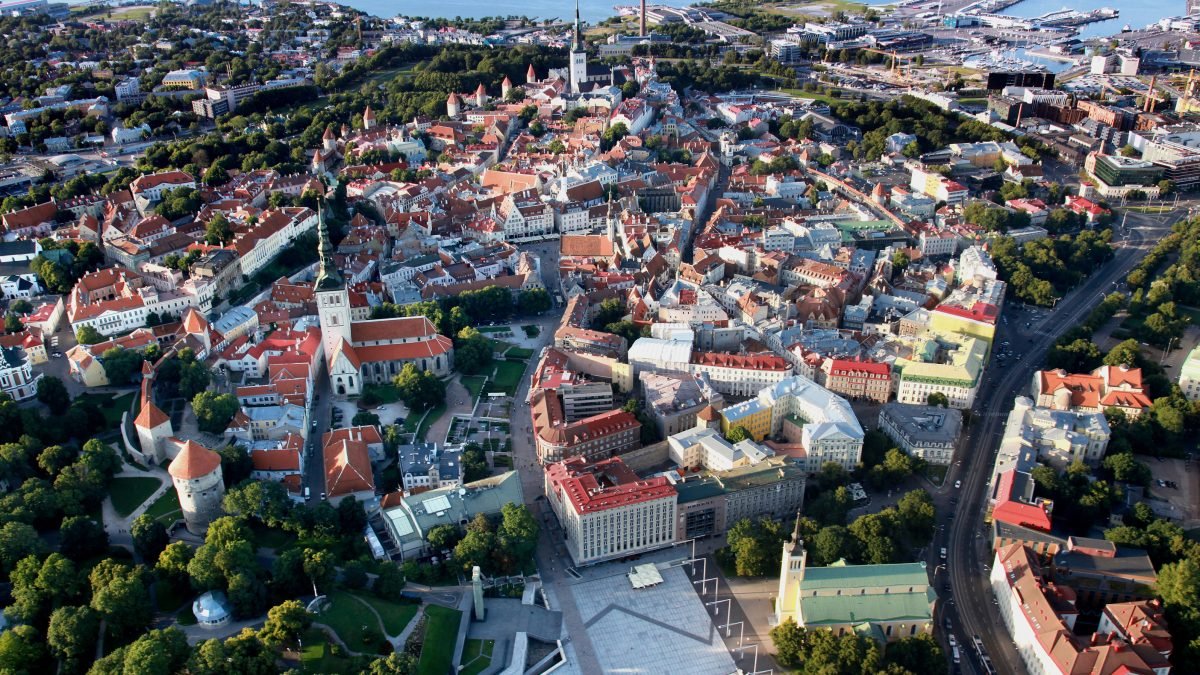
Michal said that the damage was limited because of stronger security measures and a quick response by law enforcement. He said the attackers had been detained. The incident took place in Viimsi, an area north of the capital, Tallinn.
Arrests and official statements
Chief prosecutor Astrid Asi told journalists that security forces had arrested eight people. All of them live in Latvia. Asi did not give further details in the reports used for this article.
Tsahkna said he had told his counterparts in Finland, Latvia and Lithuania about the border decision. In his later post, he warned that hostile actions against Estonia would have consequences and that Russia must understand this. He said attempts to intimidate or destabilise the country would not go unanswered.
Michal framed the incident as a piece of a wider hybrid campaign that Russia is waging against Europe. He said the aim was to reduce support for Ukraine and to increase pressure on Russia. He added that his government would not be intimidated.
Why the case matters
Threod Systems makes reconnaissance and attack drones, so the plant sits within the country’s defence sector. Reports also recall an earlier episode in August. In that case, the Tallinn-headquartered subcontractor Milrem faced an effort to set its site alight, and people holding Latvian citizenship were taken into custody.
The reports do not say how the border closure will work in practice, or how Russia has responded. Those details were not confirmed in the source material. The link between the GRU and the attack rests on the statements of Estonian officials, and no independent confirmation was given in the reports.
Estonia has presented the case as a security matter that reaches beyond its own borders, and it has shared its position with neighbouring states.
Frequently asked questions
Why is Estonia closing its border with Russia?
Estonia says it stopped an attempted arson attack on a drone factory that it attributes to Russiau0026#039;s GRU military intelligence. Foreign Minister Margus Tsahkna said the border crossings will close from 1 December.
Which company was targeted?
The attempted attack targeted Threod Systems, an Estonian defence company in Viimsi, north of Tallinn. The company makes reconnaissance and attack drones.
How many people were arrested?
Chief prosecutor Astrid Asi said eight people were detained, and all of them live in Latvia.
Sources
This article was written with the help of AI from reports by the outlets listed above. See our Editorial Policy. Spotted a mistake? Tell us.