Gibran resigns as Indonesia’s vice-president, raising questions
The move raises questions about Gibran's career and the alliance between President Prabowo Subianto and former president Joko Widodo.

Key points
- Gibran Rakabuming Raka resigned as vice-president on Thursday, according to CNA.
- The Supreme Court voided his foreign high school certificate on October 30.
- All eight parliamentary factions backed the impeachment proposal against him.
- The president must nominate two candidates, and the MPR must vote within 60 days.
- Analysts disagree on whether Gibran can recover politically.
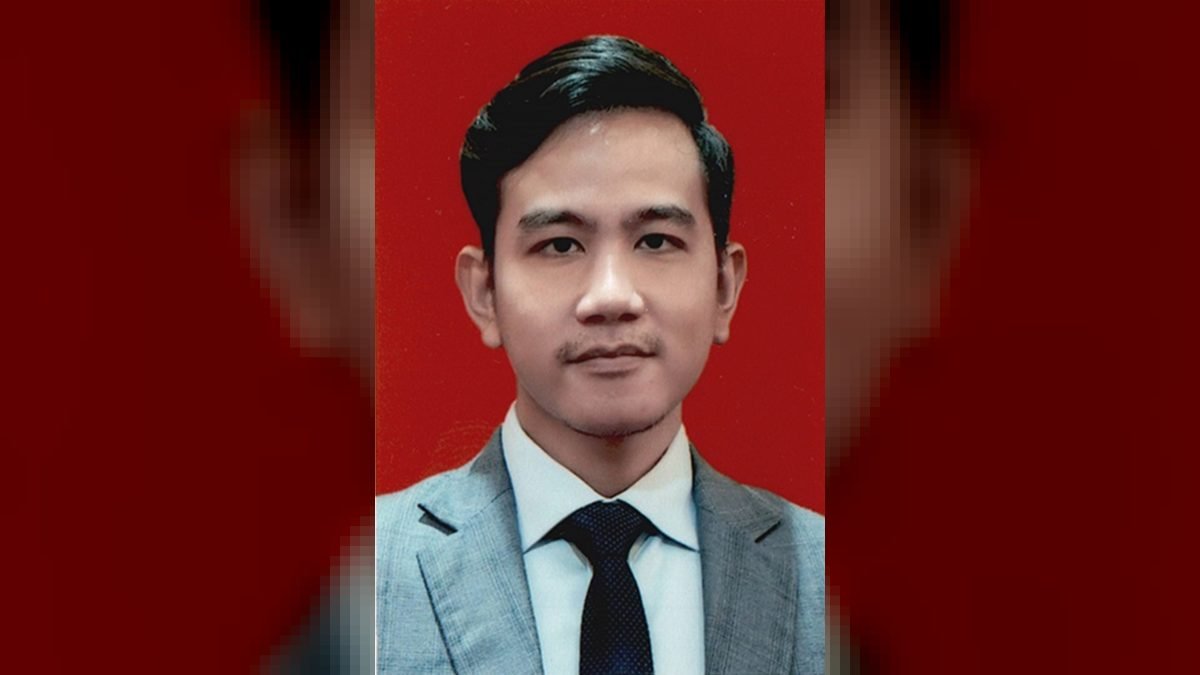
Gibran Rakabuming Raka has stepped down as Indonesia’s vice-president, according to CNA. He left the post on Thursday, November 12, after mounting scrutiny over his schooling credentials. The move has prompted questions about his next steps and about where President Prabowo Subianto now stands with Joko Widodo, who held the presidency before him.
Gibran is 39 years old. On October 30, the Supreme Court struck down the foreign certificate that had recognised his studies overseas. On Wednesday, 120 lawmakers moved to launch impeachment proceedings against him. Sana Jaffrey, a political expert at the Australian National University, believes that step pushed him to leave rather than face a drawn-out public process.
Read also: Three held in Indonesia over alleged wiretapping of president
Constitutional steps ahead
Indonesia’s constitution sets out a clear sequence. The president submits two names to the People’s Consultative Assembly, known as the MPR. That body has to meet in a special sitting no later than 60 days after the seat falls empty. Whichever nominee gains a majority of votes completes the current term.
Aditya Perdana, who teaches politics at the University of Indonesia, asked whether parties would automatically back Prabowo’s choice or demand a say. He argued the selection could open a fresh round of bargaining within the governing coalition.
Jaffrey, Aditya and Wawan Mas’udi of Gadjah Mada University all suggested Prabowo might widen his support by reaching out to the Indonesian Democratic Party of Struggle, known as PDI-P. The party holds the most seats in parliament, yet it has remained outside the coalition. Its objection to Gibran’s place on the ticket has complicated relations, analysts said. Its chair is former president Megawati Soekarnoputri.
Nicky Fahrizal of the Centre for Strategic and International Studies (CSIS) said Prabowo could instead pick a technocrat with a strong economic background, given the country’s economic challenges.
Is Gibran’s political future finished?
Opinions differ on the lasting harm. Wawan said that leaving voluntarily may let Gibran keep more political credibility than being removed through impeachment. He could still seek a return in the 2029 or 2034 elections.
Jaffrey was more guarded. She pointed to eligibility disputes, street protests calling for his exit, and criticism from Islamist groups, which had also targeted his father. Still, she noted that Jokowi keeps the backing of significant sections of society, so it is too early to close the book on Gibran.
Nicky suggested Gibran could take the C Package, a senior high school equivalency course. That route could open the way for him to stand again in 2029.
Jokowi, speaking in his hometown of Solo, said he would keep supporting Prabowo’s administration, particularly on programmes aimed at the wider public. He added that public posts are temporary.
A growing rift?
Analysts say ties between the two men have become more complicated since Prabowo entered the presidency in October 2024. Jokowi’s backing was key to Prabowo’s election win, and Gibran’s spot on the ticket kept the family in the national spotlight.
Jaffrey cited cabinet changes that pushed out ministers seen as close to Jokowi, along with the unresolved row over Gibran’s qualifications. She said doubts about the alliance existed from the start.
A separate matter has also drawn attention. Listyo Sigit Prabowo, a former police chief, was detained last week over a suspected phone-tapping case, and he has long been tied to Jokowi. No evidence has connected Jokowi to that alleged tapping.
Several PSI members quit the party on Monday. Nicky linked some of these exits to efforts to protect government posts, while Wawan saw them as pragmatic moves. Neither viewed them as proof that Jokowi’s network was falling apart.
Wawan also said the resignation might signal that both camps had discussed a new arrangement. He cautioned that its terms would only become clear over time.
Wider power questions
Jaffrey said support for the impeachment motion from all eight parliamentary blocs stood out. She connected this to reported changes in police leadership and possible military reshuffles, which she described as attempts to strengthen institutional control.
She warned, however, that tighter control would not automatically mean better governance, and that Gibran’s exit alone would not fix deeper problems.
Frequently asked questions
Why did Gibran Rakabuming Raka step down?
He left the post after sustained pressure over his schooling credentials. The Supreme Court voided the foreign school certificate that had supported his qualifications on October 30.
How will a new vice-president be chosen?
The president proposes two names, and the MPR holds a special sitting within 60 days. The nominee who wins most votes serves out the remainder of the term.
What does this mean for Jokowi?
Jokowi said he will keep supporting Prabowou0026#039;s administration. Analysts describe growing strain between the two camps, though the immediate causes remain unclear.
Sources
- CNA: Gibran's exit as Indonesia's VP: A turning point in Prabowo and Jokowi's political relationship?
This article was written with the help of AI from reports by the outlets listed above. See our Editorial Policy. Spotted a mistake? Tell us.