Najib Razak moves from prison to house arrest
The former leader left prison late on Tuesday after a royal pardon, but critics question the legal basis for the move and say it weakens anti-corruption efforts.

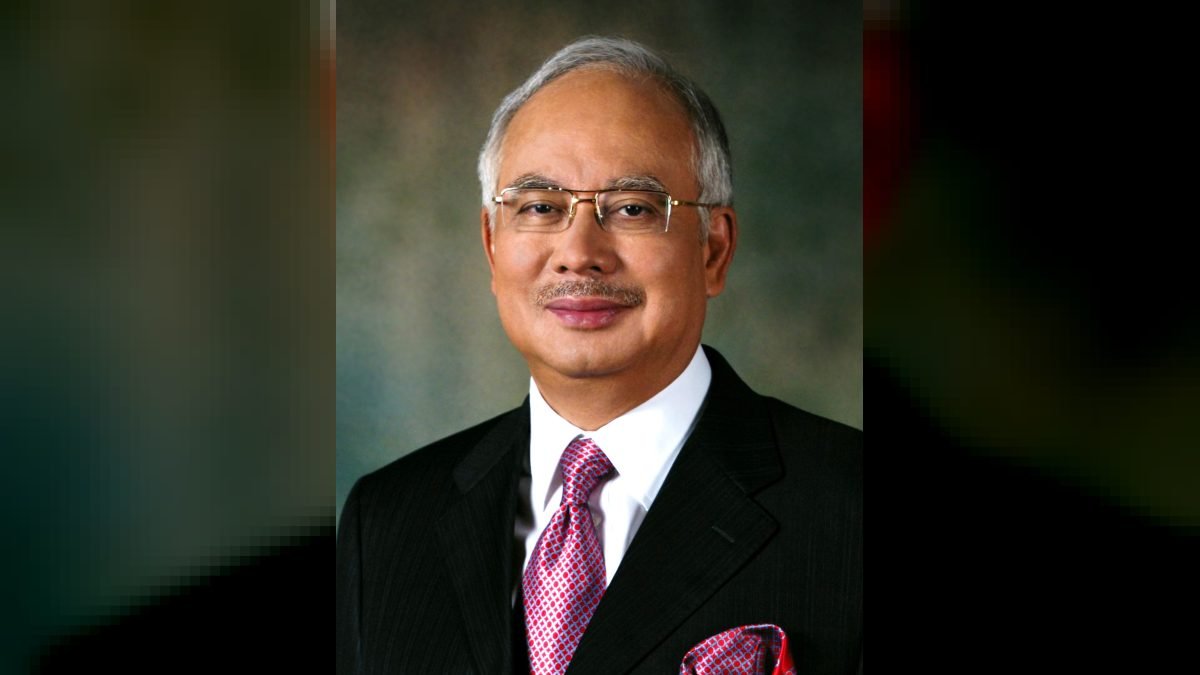
Key points
- Najib Razak, 73, is now at his Kuala Lumpur home, completing his sentence after arriving late on Tuesday
- The move follows a conditional royal pardon issued by the King of Malaysia in September
- He was convicted over funds linked to the 1MDB state wealth fund and is appealing a 15-year sentence
- Critics argue that Malaysian rules do not appear to allow house arrest of this kind
- House arrest is expected to end in August 2028, when he must begin a further sentence
Former Malaysian prime minister Najib Razak has moved from jail to his home in Kuala Lumpur, where he will finish a corruption sentence under house arrest, according to BBC News. He arrived late on Tuesday night in an SUV, escorted by a heavily armed police convoy. Large numbers of media crews gathered outside his residence to watch his return.
The 73-year-old had spent around four years behind bars after a court found him guilty of siphoning off large sums from Malaysia’s sovereign wealth fund. The affair, known as the 1MDB scandal, toppled his government and drew global attention when it surfaced about a decade ago. Its reach extended to figures in Malaysia, the investment bank Goldman Sachs and Hollywood.
Read also: UMNO says it has paid Najib Razak’s RM50 million fine
How the move came about
Investigators put the amount diverted from the fund, which Najib helped set up, into private hands at about $4.5bn (£3.3bn). Prosecutors say more than $1bn ended up in accounts connected to him. Najib’s lawyers argue that his advisers deceived him, particularly the financier Jho Low, who denies wrongdoing and is still at large.
Najib was prime minister from 2009 to 2018. He rejected any suggestion of wrongdoing, yet he was found culpable in two separate trials. The first verdict brought a 12-year sentence in 2020, and he went to prison in 2022. An appeal court later reduced that period by half.
In September, the King of Malaysia gave him a conditional pardon that lets him complete his remaining two years at home. The move was scheduled for Friday but got delayed when the attorney general requested an explanation of the royal decree. On Tuesday, the high court decided the house arrest applied right away. As part of the pardon terms, his party handed over a $12m penalty.
Ongoing legal cases
The first conviction concerned abuse of power, laundering of money and betrayal of trust linked to 42 million ringgit ($10m; £7.7m). That sum was moved out of SRC International, which used to belong to 1MDB, and into his personal bank accounts.
A second trial in December 2025 led to a 15-year sentence, which he is contesting. That case involved far bigger amounts, including close to 2.3 billion ringgit ($569m; £422m) taken from 1MDB.
He is expected to start that term once his house arrest finishes, currently expected in August 2028.
Why the case matters
Critics argue that his release weakens the fight against corruption in Malaysia. They have also questioned the legal foundation for the arrangement, pointing out that Malaysian rules do not appear to allow house arrest of this kind. Supporters of the pardon and the court ruling have not been quoted in the reports available here, so the wider political response is unclear.
The case is likely to stay under close scrutiny because of its scale and the number of international names involved. Future court rulings on his appeal, and the timing of his next sentence, will shape how long he remains at home.
Related: Malaysian legal chief pauses ex-PM Najib’s house arrest
Frequently asked questions
Why was Najib Razak moved to house arrest?
According to BBC News, the King of Malaysia gave him a conditional pardon in September that lets him finish his last two years at home. On Tuesday the high court decided the house arrest applied immediately.
What is the 1MDB scandal?
The 1MDB case centres on suspected misuse of billions of dollars from Malaysiau0026#039;s state-owned sovereign wealth fund. Investigators put the diverted amount at about $4.5bn, and prosecutors say more than $1bn reached accounts tied to Najib.
When will Najib Razaku0026#039;s house arrest end?
According to the BBC, his house arrest is expected to end in August 2028. He is then due to begin serving a separate 15-year sentence, which he is currently appealing.
Sources
This article was written with the help of AI from reports by the outlets listed above. See our Editorial Policy. Spotted a mistake? Tell us.