Kremlin revives demand for new European security order
Moscow puts old proposals back on the table while European leaders remain outside the main talks on Ukraine.

Key points
- Kremlin cites a new long-term security architecture as a condition for peace
- Moscow has revived its December 2021 draft treaties with the US and Nato
- EU foreign policy chief Kaja Kallas calls the demands a trap
- Kremlin says no final decision yet on European participation in talks
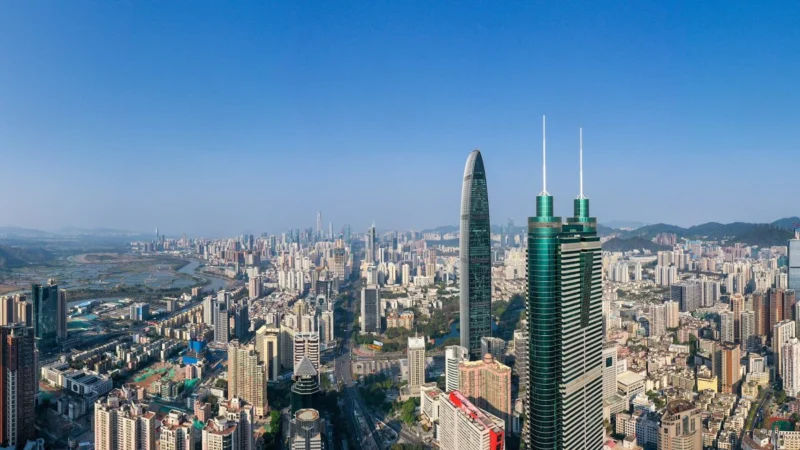
- Putin may meet Donald Trump and Xi Jinping in Shenzhen next week
Russia’s President Vladimir Putin has said he wishes for “eternal peace” in Ukraine, according to BBC News. At the same time, Moscow continues to reject a comprehensive ceasefire. The Kremlin has now set out what it sees as a requirement for peace, and the demand is far-reaching.
After talks with US envoys Steve Witkoff and Jared Kushner, the Kremlin called for a new, long-term security structure for the continent. BBC analysis says the aim is to change Europe’s security arrangements in a way that favours Russia. If pursued, it could be the largest shift in European security since the end of the Cold War.
Read also: Zelensky welcomes plan to bring European delegates into peace talks
Old treaty proposals return
The Kremlin has brought back its December 2021 proposal for draft treaties with the United States and Nato. Those drafts would have limited Nato’s eastward expansion and guaranteed that Ukraine and Georgia could never join. They also called for Nato military infrastructure to be rolled back from central and eastern European countries that joined after the Soviet Union dissolved.
Western leaders rejected those demands at the time as an unacceptable ultimatum. Two months later, Russia launched its full-scale invasion of Ukraine, and the drafts were set aside. Now they are being cited again by the Kremlin.
Yuri Ushakov, a foreign policy aide to Putin, has suggested that Moscow may add new demands. He tied this to Western attempts to bring about a strategic defeat for Russia. BBC reporting notes that this does not mean Western governments will accept the proposals.
Europe sidelined from the talks
The BBC reports that the Abu Dhabi talks this week involved Ukraine, Russia and the United States, but not Europe. Witkoff said after his Moscow discussions that Putin had agreed in principle to European representatives joining the next round. On Friday, however, the Kremlin said no final decision had been made.
Kremlin spokesman Dmitry Peskov said Moscow would decide on wider talks once it understood the true intentions of European states and their readiness to support the peace process. EU foreign policy chief Kaja Kallas has characterised the demands as a snare that could pull focus from a truce. In her view, a truce should come first, with a peace accord after it, and only then broader security discussions.
Pressure on Moscow and next steps
The BBC notes that Russia has suffered heavy losses after nearly five years of war. Its economy is under growing strain, and Ukrainian drone strikes continue to hit Russian oil refineries, raising concerns about fuel shortages. So far, none of these factors has led Putin to end the fighting.
Russian outlets have drawn comparisons between a possible gathering and the wartime trio of Stalin, Roosevelt and Churchill. The gathering could take place in Shenzhen, China, during a regional economic summit next week, with Putin possibly meeting Donald Trump and Xi Jinping. Some European leaders have also been in contact with Putin, including the leaders of Norway and Finland last month.
Related: Zelensky says Starshield speed limits are helping Russia strike Ukraine
Frequently asked questions
What is Russia demanding for peace in Ukraine?
Moscow has asked for a lasting European security framework that it describes as indivisible, according to the BBC. This would include reviving its December 2021 draft treaties with the US and Nato.
Is Europe taking part in the Ukraine peace talks?
Not yet. Witkoff said Putin agreed in principle to European participation, but the Kremlin said on Friday that no final decision had been taken.
Why is the EU criticising Russiau0026#039;s security demands?
Kaja Kallas, the EUu0026#039;s top diplomat, described the demands as a snare that could distract from a truce. She argued that a truce should come first, followed by a peace accord.
Sources
This article was written with the help of AI from reports by the outlets listed above. See our Editorial Policy. Spotted a mistake? Tell us.