Rural voters turned against Republicans over prices, poll suggests
Pre-election polling points to economic pressure, especially fuel costs, as a key factor in the Republican losses.

Key points
- A Harris Poll for the Guardian found rural voters were especially pessimistic about the economy before the midterms.
- Among Republicans, the share saying the economy was improving fell from 49% in February to 28% by October.
- Fuel and grocery prices were central concerns for many voters.
- Democrats now control Congress for the next two years, according to the report.
- Vice-president JD Vance linked the loss to the Iran war.
According to the Guardian, a Harris Poll conducted for the newspaper before the election suggests that rural voters played a major role in the Republican defeat. Support from rural areas, once a core part of Donald Trump’s base, fell sharply in the months before the vote.
Voters across the country described strong frustration with living costs. The poll found that 95% of Americans believed there was an affordability crisis over the summer, driven largely by high gas and grocery prices. By October, 61% said the country was in a recession, although the Guardian noted that this was not technically the case.
Read also: Vance blames Iran war for midterm losses; Trump partly agrees
Rural frustration grew
The reporting describes loggers in Maine who said tariffs on Canada were hurting their industry. Drivers in Texas with long commutes said they were spending around $400 a month on gas. Farmers in the Midwest said diesel costs made a drought-hit growing season harder.
Rural voters were more likely than urban and suburban voters to say that fuel costs were hurting their finances. They were also more likely to describe themselves as being in economic survival mode. In the final month before the midterms, rural respondents with a negative view of economic conditions rose by 17% since Trump began his term. The equivalent increase was 5% in the suburbs and 3% in urban areas.
Election result and reaction
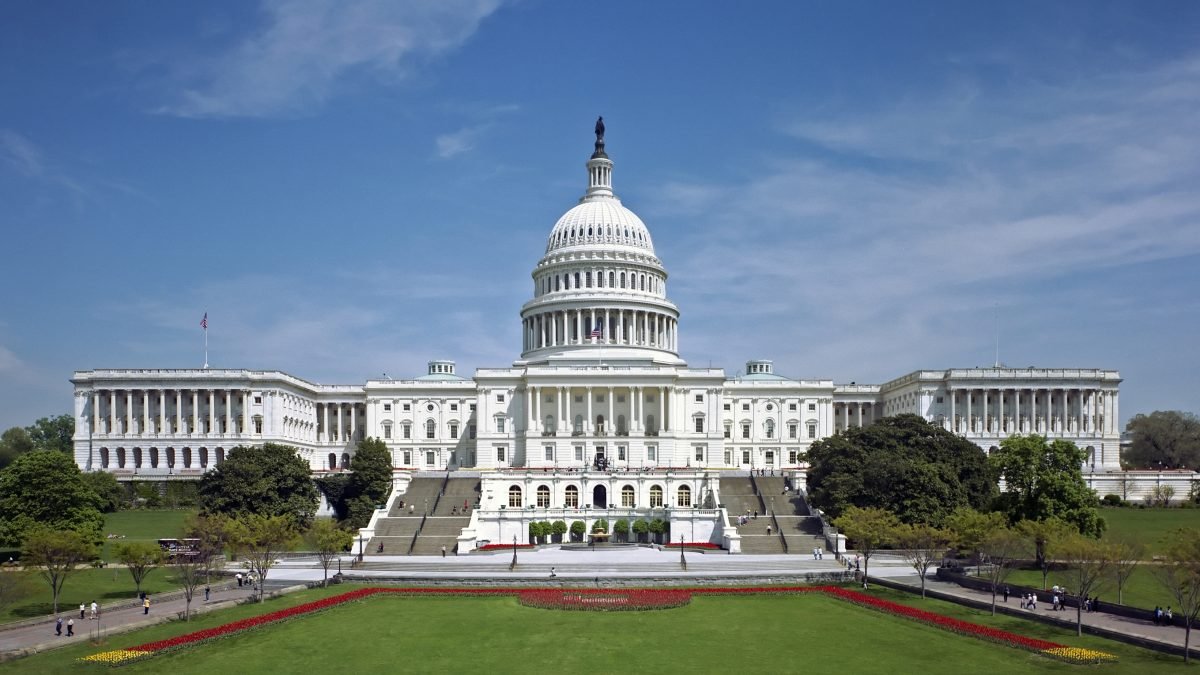
Republicans lost key races from Maine to Texas, and Democrats will control Congress for the next two years. Democrats have said they will focus on immigration enforcement, corruption in the White House, healthcare costs and prices.
Speaking on the eve of the vote, Trump described the economy in more positive terms, saying gas prices were falling and wages were rising. On Wednesday, JD Vance said the election loss was the cost of the Iran war and that any honest discussion about the future had to start there.
Voters still uncertain
Pre-midterm polling also showed that many voters doubted either party could solve the affordability problem. Roughly a month ahead of the election, 34% of respondents felt neither party had an answer. Democrats were named by 27% and Republicans by 24%.
The Guardian added that similar pessimism appeared before the 2024 presidential election, when inflation was a major issue. The paper said many voters are still dealing with years of economic strain and will expect results in the coming years.
Frequently asked questions
Why did rural voters turn against Republicans?
According to a Harris Poll for the Guardian, rural voters were hit hard by high fuel, grocery and diesel prices. Many also felt more pessimistic about the economy than urban and suburban voters.
What did the poll find about the economy?
The poll found that 95% of Americans believed there was an affordability crisis over the summer. By October, 61% of voters said the country was in a recession, although the Guardian said it was not technically in one.
Which party do voters trust on affordability?
A month before the election, 34% said neither party had a solution. Democrats were named by 27% and Republicans by 24%, according to the poll cited by the Guardian.
Sources
This article was written with the help of AI from reports by the outlets listed above. See our Editorial Policy. Spotted a mistake? Tell us.