Czechs protest in Prague against plan to change public media funding
Organisers say roughly 400,000 people joined the rally, while the government argues the change will not affect editorial independence.

Key points
- Large crowds rallied in Prague on Sunday, 15 November, against plans to end the household broadcasting fee.
- The draft bill would fund public media from the state budget instead of the monthly fee of 205 crowns.
- Organisers estimated about 400,000 attended, according to BBC News and Reuters reports.
- The plan includes a proposed 15% funding cut for public broadcasters.
- A preliminary vote on the bill is complete, and further parliamentary debate is still pending.
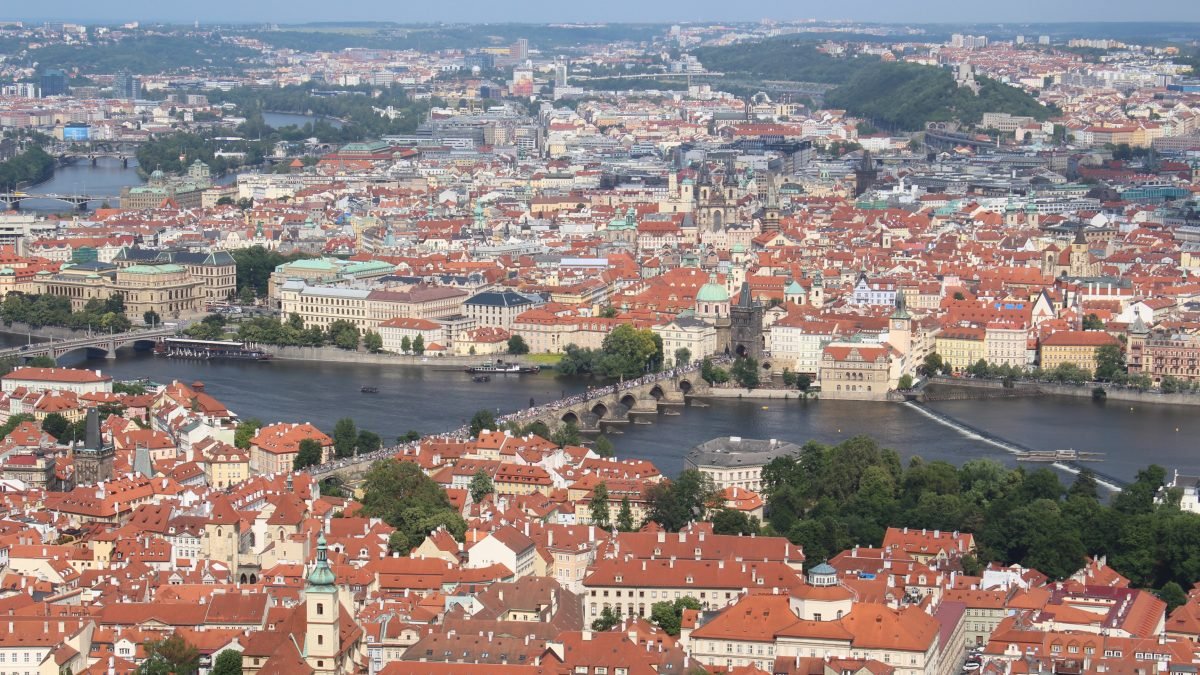
Large crowds gathered in the Czech capital on Sunday, 15 November, to protest against a government plan to end the monthly public broadcasting fee and pay for public media from the state budget. According to France 24, citing Reuters, organisers said the turnout was larger than a March anti-government demonstration that drew more than 200,000 people.
The group that organised the event, Milion Chvilek, which is also known as A Million Moments, estimated that about 400,000 people attended. BBC News reported the same figure as the organisers’ estimate, describing the crowd as thousands. Organisers also said the rally could become the largest demonstration since the Velvet Revolution of 1989, which swept away Communist rule and brought playwright Vaclav Havel to power.
What the government wants to change
The plan comes from a populist government led by Prime Minister Andrej Babiš. The administration depends on two smaller allies on the political right: the SPD, which sits on the far right, and the Motorists, a party that is sceptical of the European Union. Its draft bill would cancel the household fee of 205 crowns a month, which France 24 converted to $9.26, while BBC News gave a figure of $9.44 and £7.06.
Under the proposal, public broadcasting would be paid for from the state budget. Reuters reported that the change would include a 15% cut in funding. France 24 added that this would reduce television’s nominal budget to its 2008 level and radio’s to its 2005 level. Media organisations say such reductions would be unworkable.
BBC News reported that parliament passed the first draft in October. A preliminary vote on the bill is complete, and further parliamentary debate is still pending. Since then, public media staff held a one-day strike earlier this month, which led to broadcast cuts and further demonstrations supported by artists and students.
Critics warn of political pressure
Opposition parties and civic groups criticised the government for pushing the first version through overnight in October. They want the ruling coalition to withdraw the law. Critics argue that moving funding to the state budget would weaken the link between broadcasters and their paying viewers, and make them more open to political influence.
Some critics have drawn a comparison with Hungary, where former Prime Minister Viktor Orbán built a network of pro-government media. Those who addressed Sunday’s rally ranged from young people in education and members of the armed forces to ex-opponents of the communist regime who had backed Charter 77. Protesters carried signs calling for their media to be left alone.
The government rejects these concerns. Babiš told the Czech News Agency that the state has no intention of controlling public outlets, dictating what they broadcast, or taking them into state hands. He said the current system is outdated and that much of Europe is moving in the same direction. He has also said the government is keeping a promise to ease the financial burden on households.
How other countries have changed funding
BBC News noted that some European countries have already moved away from the licence fee model. France scrapped its fee in 2022; its state broadcasting service, which runs adverts too, now receives a share of VAT revenue. Norway abolished its licence fee in 2020 and moved public broadcaster funding into the national budget.
The Czech bill is still before parliament, so its final form is not yet known. Sunday’s protest came just days ahead of a public holiday on 17 November, which marks the start of the Velvet Revolution.
Frequently asked questions
What is the Czech government proposing for public media?
The government plans to cancel the monthly household broadcasting fee of 205 crowns and fund public media from the state budget. The draft includes a proposed 15% funding cut and has passed a preliminary vote.
Why are people protesting the plan?
Critics say the change could weaken media independence and expose broadcasters to political pressure. Opposition parties and civic groups also criticised the overnight passage of the first draft in October.
How many people attended the protest?
Organisers estimated that about 400,000 people attended, according to BBC News and Reuters reports. BBC News described the crowd as thousands in its report.
Sources
- France 24: Hundreds of thousands of Czechs protest in Prague over public media funding plan
- BBC News: Czechs rally against plan to switch funding of public media
This article was written with the help of AI from reports by the outlets listed above. See our Editorial Policy. Spotted a mistake? Tell us.